
Professional Context
Balancing the urgency of emergency scans with the meticulous requirements of routine exams is a daily juggling act, where every minute counts and a single misstep can compromise patient care or prolong diagnosis. Quality assurance and time-to-completion are in constant tension, as technologists strive to optimize image quality while racing against the clock to clear the backlog of patients waiting for their turn in the imaging suite.
💡 Expert Advice & Considerations
Don't bother trying to automate everything with Gemini - focus on using it to augment your most time-consuming tasks, like analyzing complex imaging data or generating reports, so you can free up more time for hands-on patient care.
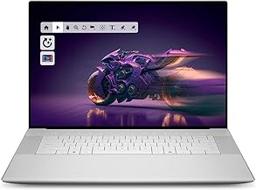
Recommended hardware for AI workflows
Dell XPS 16
16-inch OLED with discrete RTX graphics for GPU-accelerated work.
As an Amazon Associate, ProfessionPrompts earns from qualifying purchases.
Advanced Prompt Library
4 Expert PromptsOptimizing CT Scan Protocols
Given a patient with a history of contrast-induced nephropathy, generate a revised CT scan protocol that minimizes the use of contrast media while maintaining diagnostic image quality, considering the patient's renal function, the specific clinical question being addressed, and the capabilities of our Siemens Somatom scanner. Take into account the need for adequate visualization of the renal arteries and parenchyma, and provide a step-by-step guide for adjusting the scan parameters, including kVp, mAs, and pitch. Assume the patient's serum creatinine level is 1.8 mg/dL and their eGFR is 45 mL/min/1.73m².
Generating Radiology Reports
Create a comprehensive radiology report for a patient who underwent a chest X-ray to evaluate suspected pneumonia, including a detailed description of the lung fields, cardiomedastinal silhouette, and any notable findings such as infiltrates, effusions, or pneumothorax. Incorporate the patient's clinical history, including their symptoms, medical history, and laboratory results, and provide a differential diagnosis based on the imaging findings. Use the Google ecosystem to access the patient's electronic medical record and incorporate relevant information into the report.
Troubleshooting MRI Artifacts
Investigate the cause of a persistent artifact on our GE Signa MRI scanner, characterized by a ghosting effect on T2-weighted images, and provide a step-by-step guide for troubleshooting and resolving the issue. Consider potential causes such as patient motion, magnetic field inhomogeneities, or RF coil malfunction, and recommend adjustments to the scan parameters, including TR, TE, and flip angle, to minimize the artifact. Assume the artifact is most pronounced in the sagittal plane and is affecting the diagnostic quality of the images.
Analyzing Radiology Department Workflow
Analyze the workflow of our radiology department to identify bottlenecks and areas for improvement, using data from our task tracker and communication platform to evaluate the time spent on each step of the imaging process, from patient scheduling to report generation. Create a visual representation of the workflow, highlighting inefficiencies and suggesting potential solutions, such as adjusting staff assignments, implementing new software tools, or modifying existing protocols. Consider the impact of variables such as patient volume, staffing levels, and equipment availability on the workflow and provide recommendations for optimizing departmental efficiency.
Alternative AI Workflows
Discover how different language models approach tasks for this specific profession.

ChatGPT Prompts for Radiologic Technologists and Technicians
Explore ChatGPT-optimized templates

Claude Prompts for Radiologic Technologists and Technicians
Explore Claude-optimized templates

Perplexity Prompts for Radiologic Technologists and Technicians
Explore Perplexity-optimized templates

Jasper Prompts for Radiologic Technologists and Technicians
Explore Jasper-optimized templates

Grok Prompts for Radiologic Technologists and Technicians
Explore Grok-optimized templates
Frequently Asked Questions
What are the best Gemini prompts for Radiologic Technologists and Technicians?+
Balancing the urgency of emergency scans with the meticulous requirements of routine exams is a daily juggling act, where every minute counts and a single misstep can compromise patient care or prolong diagnosis. Quality assurance and time-to-completion are in constant tension, as technologists strive to optimize image quality while racing against the clock to clear the backlog of patients waiting for their turn in the imaging suite. This page provides 4 expert, copy-paste Gemini prompts crafted specifically for Radiologic Technologists and Technicians, each with a clear use case and customization notes.
What tasks do these Gemini prompts help Radiologic Technologists and Technicians with?+
They cover tasks such as Optimizing CT Scan Protocols, Generating Radiology Reports, Troubleshooting MRI Artifacts, Analyzing Radiology Department Workflow.
What should Radiologic Technologists and Technicians keep in mind when using Gemini?+
Don't bother trying to automate everything with Gemini - focus on using it to augment your most time-consuming tasks, like analyzing complex imaging data or generating reports, so you can free up more time for hands-on patient care.
How many Gemini prompts are included, and are they free?+
There are 4 ready-to-use Gemini prompts on this page. They are free to copy and use, and you can adapt each one to your specific situation.
Radiologic Technologists and Technicians
DashboardWorkflows
5