
Professional Context
Balancing the need for rapid image acquisition with the requirement for high-quality diagnostic images creates tension in the daily routine of Radiologic Technologists and Technicians, as they must prioritize patient safety and comfort while maintaining efficiency in a fast-paced environment.
💡 Expert Advice & Considerations
One of the worst things you can do is lean on this tool to replace human judgment in radiologic procedures; instead, use it to augment tasks like report writing and patient communication.
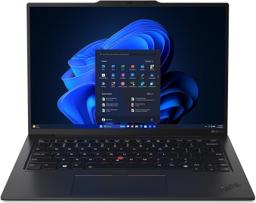
Recommended hardware for AI workflows
Lenovo ThinkPad X1 Carbon Gen 13
Business-grade, ultralight, and built for all-day professional use.
As an Amazon Associate, ProfessionPrompts earns from qualifying purchases.
Advanced Prompt Library
4 Expert PromptsOptimizing Imaging Protocols for Trauma Patients
Create a detailed, step-by-step guide for Radiologic Technologists on how to adapt CT scan protocols for trauma patients with suspected multiple injuries, including specific adjustments for contrast administration, slice thickness, and scan range, considering both pediatric and adult populations. Incorporate current evidence-based practices and manufacturer guidelines for the CT scanner model used in our facility.
Quality Assurance Checklist for Mammography Equipment
Develop a comprehensive, daily quality assurance checklist for mammography equipment that includes tests for image quality, detector performance, and compression paddle calibration, aligned with the American College of Radiology (ACR) and FDA guidelines. The checklist should be designed to be completed efficiently by Radiologic Technologists and include space for notes on any issues encountered or corrective actions taken.
Patient Preparation Script for MRI Exams
Write a clear, concise script that Radiologic Technologists can use to prepare patients for MRI exams, covering explanations of the procedure, removal of metal objects, and breathing instructions. The script should also address common patient concerns and be adaptable for use with patients who have claustrophobia or require sedation. Include a section on how to verify patient understanding and obtain informed consent.
Radiation Dose Monitoring and Reporting Protocol
Design a protocol for monitoring and reporting radiation doses to patients undergoing radiologic procedures, including the collection of dose data from various imaging modalities, calculation of cumulative doses, and criteria for notification of referring physicians and patients. The protocol should comply with the National Council on Radiation Protection and Measurements (NCRP) recommendations and include a template for generating dose reports.
Alternative AI Workflows
Discover how different language models approach tasks for this specific profession.

ChatGPT Prompts for Radiologic Technologists and Technicians
Explore ChatGPT-optimized templates

Claude Prompts for Radiologic Technologists and Technicians
Explore Claude-optimized templates

Gemini Prompts for Radiologic Technologists and Technicians
Explore Gemini-optimized templates

Perplexity Prompts for Radiologic Technologists and Technicians
Explore Perplexity-optimized templates

Grok Prompts for Radiologic Technologists and Technicians
Explore Grok-optimized templates
Frequently Asked Questions
What are the best Jasper prompts for Radiologic Technologists and Technicians?+
Balancing the need for rapid image acquisition with the requirement for high-quality diagnostic images creates tension in the daily routine of Radiologic Technologists and Technicians, as they must prioritize patient safety and comfort while maintaining efficiency in a fast-paced environment. This page provides 4 expert, copy-paste Jasper prompts crafted specifically for Radiologic Technologists and Technicians, each with a clear use case and customization notes.
What tasks do these Jasper prompts help Radiologic Technologists and Technicians with?+
They cover tasks such as Optimizing Imaging Protocols for Trauma Patients, Quality Assurance Checklist for Mammography Equipment, Patient Preparation Script for MRI Exams, Radiation Dose Monitoring and Reporting Protocol.
What should Radiologic Technologists and Technicians keep in mind when using Jasper?+
One of the worst things you can do is lean on this tool to replace human judgment in radiologic procedures; instead, use it to augment tasks like report writing and patient communication.
How many Jasper prompts are included, and are they free?+
There are 4 ready-to-use Jasper prompts on this page. They are free to copy and use, and you can adapt each one to your specific situation.
Radiologic Technologists and Technicians
DashboardWorkflows
5