
Professional Context
Balancing the demand for rapid image processing with the need for meticulous quality control is a daily tension for Radiologic Technologists and Technicians, as they must reconcile the pressure to complete exams efficiently with the imperative to ensure diagnostic accuracy, all while navigating the intricacies of various imaging modalities and patient variables.
💡 Expert Advice & Considerations
Rookies often make the mistake of using the AI for primary diagnostics, but use it to augment your workflow by generating reports, tracking patient data, and optimizing imaging protocols – and always verify its outputs against your professional judgment and clinical guidelines.
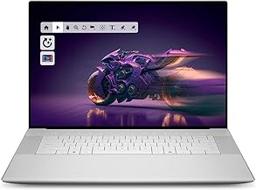
Recommended hardware for AI workflows
Dell XPS 16
16-inch OLED with discrete RTX graphics for GPU-accelerated work.
As an Amazon Associate, ProfessionPrompts earns from qualifying purchases.
Advanced Prompt Library
4 Expert PromptsCustomized Imaging Protocol Development
Develop a tailored imaging protocol for a patient with a history of contrast-induced nephropathy undergoing a coronary CT angiography, incorporating the following parameters: patient weight, renal function, suspected coronary artery disease severity, and prior reaction to contrast media. The protocol should include recommendations for contrast agent type and dosage, scanning sequence, and radiation dose reduction strategies. Ensure the protocol adheres to the American College of Radiology (ACR) guidelines and incorporates the latest research findings on contrast-induced nephropathy prevention.
Quality Assurance Checklist Generation
Create a comprehensive quality assurance checklist for daily, weekly, and monthly tasks in a radiology department, including but not limited to: equipment maintenance schedules, phantom image quality assessment protocols, patient positioning and radiation safety checks, and staff competency evaluations. The checklist should be tailored to a department utilizing MRI, CT, and radiography modalities, and should reference relevant standards from the Joint Commission and the American Society of Radiologic Technologists (ASRT).
Radiation Dose Reduction Strategy Optimization
Design an optimized radiation dose reduction strategy for pediatric patients undergoing abdominal CT scans, considering the following factors: patient age, weight, and medical history, as well as the specific CT scanner model and its dose reduction capabilities. The strategy should include adjustments to scan parameters such as kVp, mAs, and pitch, and should incorporate the use of iterative reconstruction algorithms and automatic exposure control systems. Compare the proposed strategy to existing guidelines from the Image Gently campaign and the ACR.
Daily Radiology Department Workflow Optimization
Generate a shift-specific workflow plan for a radiology department with multiple modalities, including staffing assignments, exam scheduling, and equipment allocation. The plan should take into account the day's scheduled exams, patient acuity levels, and staff competencies, as well as any equipment maintenance or downtime. Prioritize exams based on clinical urgency, patient wait times, and resource availability, and ensure that the plan allows for adequate time for quality control checks, patient preparation, and staff breaks. Reference the ASRT's guidelines for radiologic technologist staffing and workload management.
Alternative AI Workflows
Discover how different language models approach tasks for this specific profession.

Claude Prompts for Radiologic Technologists and Technicians
Explore Claude-optimized templates

Gemini Prompts for Radiologic Technologists and Technicians
Explore Gemini-optimized templates

Perplexity Prompts for Radiologic Technologists and Technicians
Explore Perplexity-optimized templates

Jasper Prompts for Radiologic Technologists and Technicians
Explore Jasper-optimized templates

Grok Prompts for Radiologic Technologists and Technicians
Explore Grok-optimized templates
Frequently Asked Questions
What are the best ChatGPT prompts for Radiologic Technologists and Technicians?+
Balancing the demand for rapid image processing with the need for meticulous quality control is a daily tension for Radiologic Technologists and Technicians, as they must reconcile the pressure to complete exams efficiently with the imperative to ensure diagnostic accuracy, all while navigating the intricacies of various imaging modalities and patient variables. This page provides 4 expert, copy-paste ChatGPT prompts crafted specifically for Radiologic Technologists and Technicians, each with a clear use case and customization notes.
What tasks do these ChatGPT prompts help Radiologic Technologists and Technicians with?+
They cover tasks such as Customized Imaging Protocol Development, Quality Assurance Checklist Generation, Radiation Dose Reduction Strategy Optimization, Daily Radiology Department Workflow Optimization.
What should Radiologic Technologists and Technicians keep in mind when using ChatGPT?+
Rookies often make the mistake of using the AI for primary diagnostics, but use it to augment your workflow by generating reports, tracking patient data, and optimizing imaging protocols – and always verify its outputs against your professional judgment and clinical guidelines.
How many ChatGPT prompts are included, and are they free?+
There are 4 ready-to-use ChatGPT prompts on this page. They are free to copy and use, and you can adapt each one to your specific situation.
Radiologic Technologists and Technicians
DashboardWorkflows
5