
Professional Context
The world of professional sports is a high-stakes, high-reward environment where athletes must constantly adapt to new situations and opponents, making data-driven decision making a crucial aspect of success. With the rise of advanced analytics and AI-powered tools, athletes and sports competitors can now gain a competitive edge by leveraging cutting-edge technology to inform their training, strategy, and in-game decision making.
💡 Expert Advice & Considerations
It is incredibly dangerous to trust the AI to predict game outcomes or make simplistic recommendations, instead focus on using Perplexity to analyze complex data sets and provide actionable insights that can be used to improve performance and gain a competitive edge.
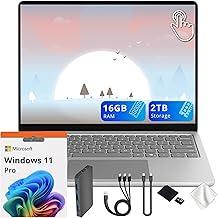
Recommended hardware for AI workflows
Microsoft Surface Laptop Studio 2
Versatile studio design with a discrete GPU for creators.
As an Amazon Associate, ProfessionPrompts earns from qualifying purchases.
Advanced Prompt Library
4 Expert PromptsInjury Risk Assessment and Mitigation Strategy
Analyze the historical injury data for a professional soccer player, including the type and severity of injuries, the circumstances surrounding each injury, and the subsequent recovery time. Using this data, identify potential risk factors and develop a personalized injury mitigation strategy, including recommendations for training modifications, equipment adjustments, and nutritional supplements. Additionally, provide a probabilistic forecast of the likelihood of injury recurrence and the expected recovery time for each potential injury type, based on a comprehensive review of existing literature and research studies, such as those published in the Journal of Sports Sciences and the British Journal of Sports Medicine.
Optimized Training Plan Development
Design a periodized training plan for a professional basketball player, incorporating a combination of strength and conditioning exercises, plyometrics, and sport-specific drills. Using a database of historical training data and performance metrics, such as those collected by wearable devices and video analysis software, develop a customized plan that takes into account the player's current fitness level, injury history, and performance goals. The plan should include specific recommendations for training intensity, volume, and frequency, as well as nutritional advice and recovery strategies, and be supported by citations from reputable sources such as the National Strength and Conditioning Association and the International Journal of Sports Physiology and Performance.
Opponent Analysis and Game Plan Development
Conduct a comprehensive analysis of an opponent's strengths, weaknesses, and tendencies, using a combination of video footage, statistical data, and coaching insights. Develop a detailed game plan that identifies key areas of exploitation and provides recommendations for strategy and tactics, including player matchups, defensive schemes, and in-game adjustments. Incorporate insights from research studies on opponent analysis and game planning, such as those published in the International Journal of Sports Science and Coaching, and provide a probabilistic forecast of the likelihood of success for each recommended strategy, based on a thorough review of historical data and performance metrics.
Nutrition and Recovery Strategy Optimization
Develop a personalized nutrition and recovery plan for a professional athlete, incorporating a comprehensive analysis of their dietary needs, lifestyle habits, and performance goals. Using a database of nutritional research and athlete case studies, such as those published in the Journal of the International Society of Sports Nutrition and the Journal of Strength and Conditioning Research, provide recommendations for meal planning, supplement use, and recovery strategies, including sleep hygiene, stress management, and injury prevention. The plan should be tailored to the athlete's specific sport, position, and performance objectives, and include citations from reputable sources to support the recommendations.
Alternative AI Workflows
Discover how different language models approach tasks for this specific profession.

ChatGPT Prompts for Athletes and Sports Competitors
Explore ChatGPT-optimized templates

Claude Prompts for Athletes and Sports Competitors
Explore Claude-optimized templates

Gemini Prompts for Athletes and Sports Competitors
Explore Gemini-optimized templates

Jasper Prompts for Athletes and Sports Competitors
Explore Jasper-optimized templates

Grok Prompts for Athletes and Sports Competitors
Explore Grok-optimized templates
Frequently Asked Questions
What are the best Perplexity prompts for Athletes and Sports Competitors?+
The world of professional sports is a high-stakes, high-reward environment where athletes must constantly adapt to new situations and opponents, making data-driven decision making a crucial aspect of success. With the rise of advanced analytics and AI-powered tools, athletes and sports competitors can now gain a competitive edge by leveraging cutting-edge technology to inform their training, strategy, and in-game decision making. This page provides 4 expert, copy-paste Perplexity prompts crafted specifically for Athletes and Sports Competitors, each with a clear use case and customization notes.
What tasks do these Perplexity prompts help Athletes and Sports Competitors with?+
They cover tasks such as Injury Risk Assessment and Mitigation Strategy, Optimized Training Plan Development, Opponent Analysis and Game Plan Development, Nutrition and Recovery Strategy Optimization.
What should Athletes and Sports Competitors keep in mind when using Perplexity?+
It is incredibly dangerous to trust the AI to predict game outcomes or make simplistic recommendations, instead focus on using Perplexity to analyze complex data sets and provide actionable insights that can be used to improve performance and gain a competitive edge.
How many Perplexity prompts are included, and are they free?+
There are 4 ready-to-use Perplexity prompts on this page. They are free to copy and use, and you can adapt each one to your specific situation.
Athletes and Sports Competitors
DashboardWorkflows
5