
Professional Context
In the high-stakes world of professional sports, a single misstep can mean the difference between victory and defeat, making it crucial for athletes and sports competitors to stay ahead of the curve through data-driven insights and meticulous planning. With the constant pressure to perform, competitors must be able to analyze their own strengths and weaknesses, as well as those of their opponents, in order to gain a competitive edge.
💡 Expert Advice & Considerations
To actually get value out of Grok, athletes and sports competitors should focus on using it to analyze specific, nuanced aspects of their performance, rather than relying on generic, surface-level metrics.
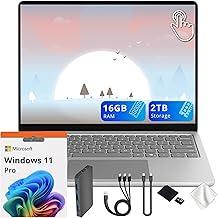
Recommended hardware for AI workflows
Microsoft Surface Laptop Studio 2
Versatile studio design with a discrete GPU for creators.
As an Amazon Associate, ProfessionPrompts earns from qualifying purchases.
Advanced Prompt Library
4 Expert PromptsPersonalized Injury Risk Assessment
Given a dataset of my past injuries, including the type, severity, and recovery time, as well as my current training schedule and nutritional intake, create a predictive model that identifies the most likely injury risks I face in the upcoming season and provides personalized recommendations for mitigation strategies, including adjustments to my training regimen, dietary changes, and supplemental exercises to strengthen vulnerable areas. Assume a moderate level of competition and account for potential interactions between different variables, such as the impact of travel and sleep deprivation on injury susceptibility.
Opponent Strategy Analysis
Analyze the past performances of my upcoming opponent, including their strengths, weaknesses, and tendencies, and generate a concise report outlining their likely strategy and potential vulnerabilities, based on a dataset of their previous games, including metrics such as scoring patterns, defensive weaknesses, and adjustments made at halftime. Consider factors such as the opponent's coaching style, player personnel, and home vs. away performance, and provide recommendations for how I can exploit these weaknesses to gain a competitive advantage.
Real-Time Performance Optimization
Using real-time data from my wearable devices and other sources, create a dynamic model that tracks my physical and mental state during competition, including metrics such as heart rate, fatigue levels, and focus, and provides instantaneous feedback and recommendations for optimizing my performance, such as adjustments to my pacing, breathing, and hydration. Account for factors such as weather conditions, crowd noise, and opponent strategy, and provide alerts for potential issues such as dehydration, overheating, or mental burnout.
Season-Long Trend Analysis
Given a dataset of my past performances over the course of a season, including metrics such as scoring averages, rebounding rates, and turnover ratios, create a trend analysis report that identifies areas of improvement and decline, and provides recommendations for how I can maintain and build on my strengths while addressing my weaknesses, based on factors such as changes in my training regimen, dietary habits, and sleep patterns. Consider the impact of external factors such as coaching changes, teammate injuries, and schedule intensity, and provide a forecast of my likely performance over the remainder of the season.
Alternative AI Workflows
Discover how different language models approach tasks for this specific profession.

ChatGPT Prompts for Athletes and Sports Competitors
Explore ChatGPT-optimized templates

Claude Prompts for Athletes and Sports Competitors
Explore Claude-optimized templates

Gemini Prompts for Athletes and Sports Competitors
Explore Gemini-optimized templates

Perplexity Prompts for Athletes and Sports Competitors
Explore Perplexity-optimized templates

Jasper Prompts for Athletes and Sports Competitors
Explore Jasper-optimized templates
Frequently Asked Questions
What are the best Grok prompts for Athletes and Sports Competitors?+
In the high-stakes world of professional sports, a single misstep can mean the difference between victory and defeat, making it crucial for athletes and sports competitors to stay ahead of the curve through data-driven insights and meticulous planning. With the constant pressure to perform, competitors must be able to analyze their own strengths and weaknesses, as well as those of their opponents, in order to gain a competitive edge. This page provides 4 expert, copy-paste Grok prompts crafted specifically for Athletes and Sports Competitors, each with a clear use case and customization notes.
What tasks do these Grok prompts help Athletes and Sports Competitors with?+
They cover tasks such as Personalized Injury Risk Assessment, Opponent Strategy Analysis, Real-Time Performance Optimization, Season-Long Trend Analysis.
What should Athletes and Sports Competitors keep in mind when using Grok?+
To actually get value out of Grok, athletes and sports competitors should focus on using it to analyze specific, nuanced aspects of their performance, rather than relying on generic, surface-level metrics.
How many Grok prompts are included, and are they free?+
There are 4 ready-to-use Grok prompts on this page. They are free to copy and use, and you can adapt each one to your specific situation.
Athletes and Sports Competitors
DashboardWorkflows
5