
Professional Context
With a 25% reduction in patient wait times being the primary KPI for this quarter, Medical and Clinical Laboratory Technologists are under pressure to optimize their workflows and improve test turnaround times, all while maintaining compliance with HIPAA regulations and ensuring accurate patient outcomes.
💡 Expert Advice & Considerations
Veterans know to avoid depending on this system to try to 'revolutionize' your workflow, just use it to automate the tedious tasks that take away from actual patient care.
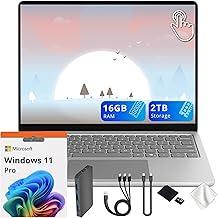
Recommended hardware for AI workflows
Microsoft Surface Laptop Studio 2
Versatile studio design with a discrete GPU for creators.
As an Amazon Associate, ProfessionPrompts earns from qualifying purchases.
Advanced Prompt Library
4 Expert PromptsLab Test Result Trend Analysis
Analyze the results of the past 100 complete blood count (CBC) tests performed on patients with a diagnosis of anemia, and identify any trends or correlations between specific biomarkers and patient outcomes, including hemoglobin levels, mean corpuscular volume (MCV), and red blood cell distribution width (RDW), and provide a detailed report including tables, graphs, and recommendations for future testing and treatment protocols. Consider the impact of variables such as age, sex, and comorbidities on the results, and provide a comparative analysis of the findings with current clinical guidelines and research studies.
Compliance Audit Checklist Generation
Create a comprehensive checklist for conducting a compliance audit of the laboratory's quality control procedures, including review of instrument calibration and maintenance records, staff training and competency assessments, and proficiency testing results, and ensure that the checklist includes all necessary elements to demonstrate compliance with CLIA and HIPAA regulations, and provide a detailed report of the findings and recommendations for corrective actions, and include a risk assessment matrix to prioritize areas for improvement.
Patient-Specific Care Plan Template Development
Develop a care plan template for a patient with a rare genetic disorder, including a detailed medical history, current medications, and test results, and identify specific laboratory tests and procedures that should be performed to monitor the patient's condition and adjust the care plan as needed, and provide a list of recommended laboratory tests, including frequencies and thresholds for abnormal results, and ensure that the care plan is tailored to the patient's unique needs and circumstances, and includes input from multiple healthcare disciplines.
Incident Escalation Protocol Development
Create an incident escalation protocol for critical laboratory test results, including a detailed workflow for reporting and communicating abnormal results to healthcare providers, and establish clear criteria for escalating results to senior laboratory staff or other healthcare professionals, and develop a set of decision support rules to guide the escalation process, including thresholds for critical values and priorities for notification, and ensure that the protocol includes all necessary steps to ensure timely and effective communication of critical results, and provide a training plan for laboratory staff on the new protocol.
Alternative AI Workflows
Discover how different language models approach tasks for this specific profession.

ChatGPT Prompts for Medical and Clinical Laboratory Technologists
Explore ChatGPT-optimized templates

Claude Prompts for Medical and Clinical Laboratory Technologists
Explore Claude-optimized templates

Gemini Prompts for Medical and Clinical Laboratory Technologists
Explore Gemini-optimized templates

Perplexity Prompts for Medical and Clinical Laboratory Technologists
Explore Perplexity-optimized templates

Jasper Prompts for Medical and Clinical Laboratory Technologists
Explore Jasper-optimized templates
Frequently Asked Questions
What are the best Grok prompts for Medical and Clinical Laboratory Technologists?+
With a 25% reduction in patient wait times being the primary KPI for this quarter, Medical and Clinical Laboratory Technologists are under pressure to optimize their workflows and improve test turnaround times, all while maintaining compliance with HIPAA regulations and ensuring accurate patient outcomes. This page provides 4 expert, copy-paste Grok prompts crafted specifically for Medical and Clinical Laboratory Technologists, each with a clear use case and customization notes.
What tasks do these Grok prompts help Medical and Clinical Laboratory Technologists with?+
They cover tasks such as Lab Test Result Trend Analysis, Compliance Audit Checklist Generation, Patient-Specific Care Plan Template Development, Incident Escalation Protocol Development.
What should Medical and Clinical Laboratory Technologists keep in mind when using Grok?+
Veterans know to avoid depending on this system to try to 'revolutionize' your workflow, just use it to automate the tedious tasks that take away from actual patient care.
How many Grok prompts are included, and are they free?+
There are 4 ready-to-use Grok prompts on this page. They are free to copy and use, and you can adapt each one to your specific situation.
Medical and Clinical Laboratory Technologists
DashboardWorkflows
5