
Professional Context
It was a chaotic morning in the lab when I realized we had a critical shortage of reagents for the day's batch of PCR tests, and I had to think fast to come up with a plan to prioritize samples and manage our resources without compromising patient care.
💡 Expert Advice & Considerations
Don't waste your time trying to get ChatGPT to interpret complex lab results - it's just not reliable enough yet, but it can be a huge help with tasks like generating reports or tracking inventory.
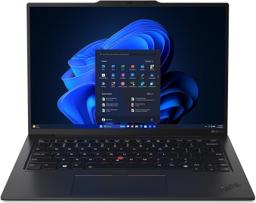
Recommended hardware for AI workflows
Lenovo ThinkPad X1 Carbon Gen 13
Business-grade, ultralight, and built for all-day professional use.
As an Amazon Associate, ProfessionPrompts earns from qualifying purchases.
Advanced Prompt Library
4 Expert PromptsLab Result Report Generation
Create a concise report based on the following lab results: patient ID 12345, CBC with diff, chemistry panel, and urinalysis. Include all relevant values, units, and reference ranges. Assume the patient is a 65-year-old male with a history of diabetes and hypertension. The report should be in a format suitable for inclusion in an EHR system.
Inventory Management and Reagent Sourcing
Develop a plan to manage our laboratory's inventory of reagents and consumables for the next quarter, taking into account our current stock levels, expected usage rates, and lead times for ordering and receiving new supplies. Identify at least three potential vendors for each type of reagent and provide a comparison of their prices, product quality, and customer service. Prioritize cost savings and reliability of supply.
Quality Control and Compliance Audit
Conduct a mock audit of our laboratory's quality control processes and procedures to ensure compliance with CLIA and CAP regulations. Review our current QC protocols, including frequency and types of tests performed, and evaluate our procedures for addressing QC failures and instrument maintenance. Identify areas for improvement and provide recommendations for implementing changes to our QC program.
Test Utilization and Optimization Analysis
Analyze our laboratory's test utilization patterns over the past year, including types and volumes of tests ordered, and identify opportunities to optimize test selection and reduce unnecessary testing. Develop a plan to implement changes to our test ordering processes and procedures, including education and feedback for ordering providers, and monitor the impact of these changes on test utilization and patient outcomes.
Alternative AI Workflows
Discover how different language models approach tasks for this specific profession.

Claude Prompts for Medical and Clinical Laboratory Technologists
Explore Claude-optimized templates

Gemini Prompts for Medical and Clinical Laboratory Technologists
Explore Gemini-optimized templates

Perplexity Prompts for Medical and Clinical Laboratory Technologists
Explore Perplexity-optimized templates

Jasper Prompts for Medical and Clinical Laboratory Technologists
Explore Jasper-optimized templates

Grok Prompts for Medical and Clinical Laboratory Technologists
Explore Grok-optimized templates
Frequently Asked Questions
What are the best ChatGPT prompts for Medical and Clinical Laboratory Technologists?+
It was a chaotic morning in the lab when I realized we had a critical shortage of reagents for the day's batch of PCR tests, and I had to think fast to come up with a plan to prioritize samples and manage our resources without compromising patient care. This page provides 4 expert, copy-paste ChatGPT prompts crafted specifically for Medical and Clinical Laboratory Technologists, each with a clear use case and customization notes.
What tasks do these ChatGPT prompts help Medical and Clinical Laboratory Technologists with?+
They cover tasks such as Lab Result Report Generation, Inventory Management and Reagent Sourcing, Quality Control and Compliance Audit, Test Utilization and Optimization Analysis.
What should Medical and Clinical Laboratory Technologists keep in mind when using ChatGPT?+
Don't waste your time trying to get ChatGPT to interpret complex lab results - it's just not reliable enough yet, but it can be a huge help with tasks like generating reports or tracking inventory.
How many ChatGPT prompts are included, and are they free?+
There are 4 ready-to-use ChatGPT prompts on this page. They are free to copy and use, and you can adapt each one to your specific situation.
Medical and Clinical Laboratory Technologists
DashboardWorkflows
5