
Professional Context
The shift to digital media has left many libraries struggling to maintain accurate and comprehensive catalogs, a challenge that is further complicated by the sheer volume of new titles and formats being released every year. As a result, Librarians and Media Collections Specialists must develop and implement sophisticated strategies for tracking, categorizing, and making accessible a wide range of materials.
💡 Expert Advice & Considerations
Veterans know to avoid depending on this system to automate tasks that require genuine human judgment, like collection development or reader's advisory services; instead, focus on using it to streamline routine tasks like data entry and catalog maintenance.
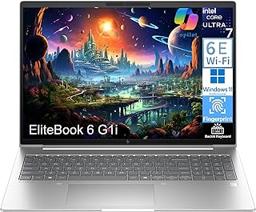
Recommended hardware for AI workflows
HP Spectre x360 16
Premium 2-in-1 convertible with a large, vivid OLED display.
As an Amazon Associate, ProfessionPrompts earns from qualifying purchases.
Advanced Prompt Library
4 Expert PromptsCataloging and Classification Workflow Optimization
Given a collection of 10,000 newly acquired titles in various formats, including books, DVDs, and digital media, and assuming a standard cataloging protocol that includes subject headings, author and title entries, and genre classification, generate a step-by-step workflow for processing and integrating these items into our existing catalog, including any necessary data entry, authority control, and metadata enhancement tasks, and provide a detailed timeline and resource allocation plan to ensure completion within a 6-week window.
Collection Diversity and Inclusivity Audit
Using a dataset of our library's current holdings, including title, author, publication date, subject headings, and other relevant metadata, conduct a comprehensive diversity and inclusivity audit to identify gaps and areas for improvement in our collection, including analysis of representation across different racial, ethnic, gender, and ability groups, and provide a detailed report including recommendations for titles and authors to add, as well as strategies for promoting and highlighting diverse materials to our user community.
Digital Media Preservation and Access Plan
Develop a long-term preservation and access plan for our library's digital media collections, including strategies for format migration, data storage and backup, and user access and authentication, assuming a budget of $10,000 per year and a staffing level of 2 FTEs, and provide a detailed plan including timelines, resource allocation, and technical requirements, as well as recommendations for partnerships or collaborations with other institutions or vendors to support our preservation and access goals.
Reader's Advisory Service Enhancement
Using natural language processing and machine learning algorithms, develop a reader's advisory service tool that can analyze a user's reading history and preferences, including title, author, genre, and subject headings, and generate personalized book recommendations, including a diverse range of titles and authors, and provide a detailed plan for integrating this tool into our existing library services, including staff training and user outreach and promotion strategies.
Alternative AI Workflows
Discover how different language models approach tasks for this specific profession.

Claude Prompts for Librarians and Media Collections Specialists
Explore Claude-optimized templates

Gemini Prompts for Librarians and Media Collections Specialists
Explore Gemini-optimized templates

Perplexity Prompts for Librarians and Media Collections Specialists
Explore Perplexity-optimized templates

Jasper Prompts for Librarians and Media Collections Specialists
Explore Jasper-optimized templates

Grok Prompts for Librarians and Media Collections Specialists
Explore Grok-optimized templates
Frequently Asked Questions
What are the best ChatGPT prompts for Librarians and Media Collections Specialists?+
The shift to digital media has left many libraries struggling to maintain accurate and comprehensive catalogs, a challenge that is further complicated by the sheer volume of new titles and formats being released every year. As a result, Librarians and Media Collections Specialists must develop and implement sophisticated strategies for tracking, categorizing, and making accessible a wide range of materials. This page provides 4 expert, copy-paste ChatGPT prompts crafted specifically for Librarians and Media Collections Specialists, each with a clear use case and customization notes.
What tasks do these ChatGPT prompts help Librarians and Media Collections Specialists with?+
They cover tasks such as Cataloging and Classification Workflow Optimization, Collection Diversity and Inclusivity Audit, Digital Media Preservation and Access Plan, Reader's Advisory Service Enhancement.
What should Librarians and Media Collections Specialists keep in mind when using ChatGPT?+
Veterans know to avoid depending on this system to automate tasks that require genuine human judgment, like collection development or reader's advisory services; instead, focus on using it to streamline routine tasks like data entry and catalog maintenance.
How many ChatGPT prompts are included, and are they free?+
There are 4 ready-to-use ChatGPT prompts on this page. They are free to copy and use, and you can adapt each one to your specific situation.
Librarians and Media Collections Specialists
DashboardWorkflows
5