
Professional Context
The sheer volume of digital media and information threatens to overwhelm even the most seasoned Librarians and Media Collections Specialists, who must navigate complex databases, prioritize quality assurance, and optimize their workflows to stay ahead of the curve.
💡 Expert Advice & Considerations
A common trap is relying on this tool to catalog entire collections from scratch - focus on high-level trend analysis and exception reporting to maximize your time and expertise.
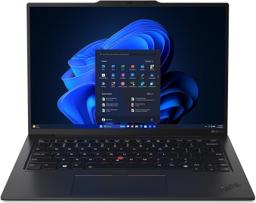
Recommended hardware for AI workflows
Lenovo ThinkPad X1 Carbon Gen 13
Business-grade, ultralight, and built for all-day professional use.
As an Amazon Associate, ProfessionPrompts earns from qualifying purchases.
Advanced Prompt Library
4 Expert PromptsCollection Gap Analysis
Analyze the current media collection and identify gaps in coverage for the following subjects: film studies, media theory, and digital humanities. Consider factors such as publication date, author demographics, and relevance to current events. Provide a prioritized list of recommended acquisitions to address these gaps, including title, author, publication date, and a brief justification for each recommendation. Assume a budget of $10,000 and a target completion date of 6 weeks from now.
Database Quality Assurance Audit
Conduct a thorough quality assurance audit of the library's media database, focusing on the following fields: title, creator, publication date, and subject headings. Identify and report on any errors, inconsistencies, or missing data, and provide recommendations for corrective action. Analyze a random sample of 100 records and calculate the error rate as a percentage. Compare these results to the library's established quality standards and provide a summary of findings, including any trends or patterns that emerge.
Real-Time Usage Trends Report
Generate a real-time report on usage trends for the library's media collections, including data on the most frequently accessed titles, subjects, and formats over the past 30 days. Analyze this data to identify any emerging trends or patterns, such as increased demand for streaming services or a shift towards more diverse and inclusive content. Provide a list of the top 10 most popular titles, along with their corresponding usage statistics and a brief analysis of the implications for collection development and programming.
Crisis Response Plan for Collection Damage
Develop a crisis response plan for the library in the event of a disaster or catastrophic event that damages or destroys a significant portion of the media collection. Identify the key stakeholders, including library staff, faculty, and administrators, and outline their roles and responsibilities in responding to the crisis. Provide a step-by-step protocol for assessing damage, prioritizing salvage and recovery efforts, and communicating with stakeholders, including a timeline for completion and a list of essential resources and equipment required.
Alternative AI Workflows
Discover how different language models approach tasks for this specific profession.

ChatGPT Prompts for Librarians and Media Collections Specialists
Explore ChatGPT-optimized templates

Claude Prompts for Librarians and Media Collections Specialists
Explore Claude-optimized templates

Gemini Prompts for Librarians and Media Collections Specialists
Explore Gemini-optimized templates

Perplexity Prompts for Librarians and Media Collections Specialists
Explore Perplexity-optimized templates

Jasper Prompts for Librarians and Media Collections Specialists
Explore Jasper-optimized templates
Frequently Asked Questions
What are the best Grok prompts for Librarians and Media Collections Specialists?+
The sheer volume of digital media and information threatens to overwhelm even the most seasoned Librarians and Media Collections Specialists, who must navigate complex databases, prioritize quality assurance, and optimize their workflows to stay ahead of the curve. This page provides 4 expert, copy-paste Grok prompts crafted specifically for Librarians and Media Collections Specialists, each with a clear use case and customization notes.
What tasks do these Grok prompts help Librarians and Media Collections Specialists with?+
They cover tasks such as Collection Gap Analysis, Database Quality Assurance Audit, Real-Time Usage Trends Report, Crisis Response Plan for Collection Damage.
What should Librarians and Media Collections Specialists keep in mind when using Grok?+
A common trap is relying on this tool to catalog entire collections from scratch - focus on high-level trend analysis and exception reporting to maximize your time and expertise.
How many Grok prompts are included, and are they free?+
There are 4 ready-to-use Grok prompts on this page. They are free to copy and use, and you can adapt each one to your specific situation.
Librarians and Media Collections Specialists
DashboardWorkflows
5