
Professional Context
The writing industry is plagued by the perpetual challenge of creating engaging content that resonates with diverse audiences, making it essential for writers and authors to stay abreast of the latest trends and technologies to remain relevant. With the rise of AI-powered tools, writers must now navigate the complexities of language generation, content optimization, and data-driven storytelling. To succeed, writers must be adept at crafting compelling narratives, conducting thorough research, and analyzing market trends to inform their work.
💡 Expert Advice & Considerations
Veterans know to avoid depending on this system for content generation; instead, use it as a tool to augment your research, validate your ideas, and refine your writing style to create unique and authentic content.
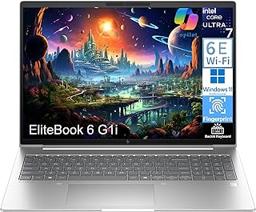
Recommended hardware for AI workflows
HP Spectre x360 16
Premium 2-in-1 convertible with a large, vivid OLED display.
As an Amazon Associate, ProfessionPrompts earns from qualifying purchases.
Advanced Prompt Library
4 Expert PromptsMarket Analysis for Fiction Genre
Analyze the current market trends for fiction books in the thriller genre, focusing on the popularity of themes such as cybercrime, artificial intelligence, and environmental disasters. Identify the top 5 bestselling authors in this genre, their writing styles, and the common elements that contribute to their success. Provide a detailed breakdown of the target audience demographics, including age, gender, and reading habits. Use data from sources like Amazon Kindle, Goodreads, and Publishers Weekly to support your findings. Finally, recommend 3 potential book ideas that incorporate these trends and themes, including a brief synopsis, target audience, and marketing strategy.
Content Optimization for Blog Posts
Optimize a given blog post on the topic of sustainable living for better search engine ranking and reader engagement. Analyze the post's current structure, tone, and language, and provide recommendations for improvement, including suggestions for meta tags, headings, and internal linking. Use tools like Google Analytics and HubSpot to inform your analysis and provide data-driven insights. Additionally, identify 5 relevant long-tail keywords and phrases that can be incorporated into the post to enhance its visibility and appeal to a wider audience.
Character Development Exercise
Create a comprehensive character profile for a fictional protagonist, including their backstory, motivations, goals, and conflicts. Use a combination of psychological theories, such as Maslow's hierarchy of needs and the Big Five personality traits, to inform your character's development. Provide a detailed description of the character's physical appearance, voice, and mannerisms, as well as their relationships with other characters in the story. Finally, write a 500-word scene in which the character navigates a challenging situation, using their unique traits and characteristics to drive the plot forward and reveal their personality.
Style Guide for Brand Consistency
Develop a comprehensive style guide for a given brand, including guidelines for tone, voice, language, and formatting. Analyze the brand's existing content, including website copy, social media posts, and marketing materials, to identify areas of inconsistency and opportunities for improvement. Provide recommendations for standardizing language, syntax, and punctuation, as well as core standards for using brand-specific terminology and jargon. Use examples from successful brands, such as Apple or Nike, to illustrate the importance of consistency in building a strong brand identity. Finally, create a sample content calendar that demonstrates how to apply the style guide to various content types, including blog posts, social media posts, and product descriptions.
Alternative AI Workflows
Discover how different language models approach tasks for this specific profession.

ChatGPT Prompts for Writers and Authors
Explore ChatGPT-optimized templates

Claude Prompts for Writers and Authors
Explore Claude-optimized templates

Gemini Prompts for Writers and Authors
Explore Gemini-optimized templates

Jasper Prompts for Writers and Authors
Explore Jasper-optimized templates

Grok Prompts for Writers and Authors
Explore Grok-optimized templates
Frequently Asked Questions
What are the best Perplexity prompts for Writers and Authors?+
The writing industry is plagued by the perpetual challenge of creating engaging content that resonates with diverse audiences, making it essential for writers and authors to stay abreast of the latest trends and technologies to remain relevant. With the rise of AI-powered tools, writers must now navigate the complexities of language generation, content optimization, and data-driven storytelling. To succeed, writers must be adept at crafting compelling narratives, conducting thorough research, and analyzing market trends to inform their work. This page provides 4 expert, copy-paste Perplexity prompts crafted specifically for Writers and Authors, each with a clear use case and customization notes.
What tasks do these Perplexity prompts help Writers and Authors with?+
They cover tasks such as Market Analysis for Fiction Genre, Content Optimization for Blog Posts, Character Development Exercise, Style Guide for Brand Consistency.
What should Writers and Authors keep in mind when using Perplexity?+
Veterans know to avoid depending on this system for content generation; instead, use it as a tool to augment your research, validate your ideas, and refine your writing style to create unique and authentic content.
How many Perplexity prompts are included, and are they free?+
There are 4 ready-to-use Perplexity prompts on this page. They are free to copy and use, and you can adapt each one to your specific situation.
Writers and Authors
DashboardWorkflows
5