
Professional Context
Balancing the creative vision with the commercial viability of a design collection is a daily tug-of-war for Fashion Designers, as they must reconcile the need for innovative, show-stopping pieces with the harsh realities of production costs, market trends, and customer demand. With multiple collections to manage and limited resources, designers must prioritize their time and energy, all while staying attuned to the latest fashion trends and technological advancements in textile design and manufacturing.
💡 Expert Advice & Considerations
Don't waste your time using Perplexity to generate generic design concepts; instead, use it to analyze market data, identify gaps in the current fashion landscape, and inform your design decisions with hard, research-backed evidence.
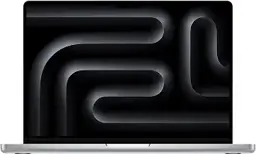
Recommended hardware for AI workflows
Apple MacBook Pro 16-inch (M4 Max)
Desktop-class performance for the most demanding creative and AI workloads.
As an Amazon Associate, ProfessionPrompts earns from qualifying purchases.
Advanced Prompt Library
4 Expert PromptsTechnical Package Development
Create a detailed technical package for a new sustainable fashion collection, including specs for organic cotton fabrics, recycled polyester linings, and environmentally-friendly dyeing processes. Ensure that the package includes comprehensive measurements, grading rules, and marker making instructions for efficient production. Consider the target audience, garment types, and production volumes when developing the package, and provide recommendations for supply chain optimization and cost reduction. Assume a production run of 10,000 units and a target price point of $50-$100 per unit.
Fashion Trend Forecasting
Analyze the current fashion landscape and predict the top 5 trends for the upcoming season, including color palettes, fabric textures, and silhouettes. Use historical data from fashion weeks, trade shows, and social media platforms to identify patterns and correlations between trends, and provide a detailed report on the key drivers and influencers shaping the fashion industry. Consider the impact of sustainability, technology, and cultural exchange on fashion trends, and recommend strategies for incorporating these trends into a design collection while minimizing risks and maximizing commercial appeal.
Supply Chain Optimization
Develop a comprehensive plan to optimize the supply chain for a fashion brand, including strategies for reducing lead times, improving inventory management, and increasing transparency and accountability throughout the production process. Consider the brand's current supply chain configuration, including manufacturing locations, transportation modes, and logistics providers, and provide recommendations for streamlining operations, reducing costs, and improving quality control. Assume a global supply chain with multiple manufacturing locations and a complex network of suppliers and distributors.
Design Concept Generation
Generate a range of innovative design concepts for a new fashion collection, inspired by the intersection of technology and sustainability. Consider the use of cutting-edge materials, such as 3D-printed fabrics and recycled plastics, and explore new silhouettes and garment types that incorporate wearable technology and smart textiles. Provide a detailed description of each design concept, including sketches, technical specs, and production feasibility, and recommend strategies for prototyping and testing the designs to ensure commercial viability and customer appeal.
Alternative AI Workflows
Discover how different language models approach tasks for this specific profession.

ChatGPT Prompts for Fashion Designers
Explore ChatGPT-optimized templates

Claude Prompts for Fashion Designers
Explore Claude-optimized templates

Gemini Prompts for Fashion Designers
Explore Gemini-optimized templates

Jasper Prompts for Fashion Designers
Explore Jasper-optimized templates

Grok Prompts for Fashion Designers
Explore Grok-optimized templates
Frequently Asked Questions
What are the best Perplexity prompts for Fashion Designers?+
Balancing the creative vision with the commercial viability of a design collection is a daily tug-of-war for Fashion Designers, as they must reconcile the need for innovative, show-stopping pieces with the harsh realities of production costs, market trends, and customer demand. With multiple collections to manage and limited resources, designers must prioritize their time and energy, all while staying attuned to the latest fashion trends and technological advancements in textile design and manufacturing. This page provides 4 expert, copy-paste Perplexity prompts crafted specifically for Fashion Designers, each with a clear use case and customization notes.
What tasks do these Perplexity prompts help Fashion Designers with?+
They cover tasks such as Technical Package Development, Fashion Trend Forecasting, Supply Chain Optimization, Design Concept Generation.
What should Fashion Designers keep in mind when using Perplexity?+
Don't waste your time using Perplexity to generate generic design concepts; instead, use it to analyze market data, identify gaps in the current fashion landscape, and inform your design decisions with hard, research-backed evidence.
How many Perplexity prompts are included, and are they free?+
There are 4 ready-to-use Perplexity prompts on this page. They are free to copy and use, and you can adapt each one to your specific situation.
Fashion Designers
DashboardWorkflows
5