
Professional Context
The harsh reality is that postsecondary engineering education is at a crossroads, with mounting pressure to produce industry-ready graduates who can hit the ground running, all while navigating the complexities of emerging technologies and increasingly limited resources. Effective engineering teachers must be adept at creating immersive, project-based learning experiences that simulate real-world scenarios, while also staying abreast of the latest advancements in their field.
💡 Expert Advice & Considerations
Don't waste your time using Perplexity to generate generic lesson plans or bland homework assignments - instead, use it to create customized, adaptive assessments that can help you pinpoint areas where your students need extra support, and develop targeted interventions to get them back on track.
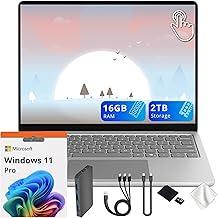
Recommended hardware for AI workflows
Microsoft Surface Laptop Studio 2
Versatile studio design with a discrete GPU for creators.
As an Amazon Associate, ProfessionPrompts earns from qualifying purchases.
Advanced Prompt Library
4 Expert PromptsDesigning a Microcontroller-Based Mechatronics Curriculum
Create a comprehensive curriculum outline for a 12-week mechatronics course that incorporates hands-on projects with microcontrollers, including a detailed syllabus, lecture notes, and lab assignments. Assume a target audience of junior-level engineering students with prior experience in programming and circuit analysis. The course should cover topics such as sensor integration, motor control, and real-time systems, with a focus on industry-relevant applications and case studies. Provide a sample project that demonstrates the integration of mechatronics principles with computer-aided design (CAD) and simulation tools.
Developing a Root Cause Analysis Framework for Engineering Design Failures
Develop a systematic framework for conducting root cause analysis (RCA) on engineering design failures, incorporating tools such as fault tree analysis, failure mode and effects analysis (FMEA), and design of experiments (DOE). The framework should be applicable to a wide range of engineering disciplines, including mechanical, electrical, and aerospace engineering. Provide a detailed example of how to apply the framework to a real-world case study, such as the analysis of a faulty product design or a manufacturing process failure. Include recommendations for integrating RCA into the engineering design curriculum and assessing student learning outcomes.
Evaluating the Effectiveness of Flipped Classroom Models in Engineering Education
Conduct a literature review and meta-analysis of existing research on the effectiveness of flipped classroom models in engineering education, focusing on outcomes such as student engagement, academic achievement, and retention. Identify key factors that influence the success of flipped classroom implementations, including instructor training, student preparation, and technological infrastructure. Develop a set of evidence-based recommendations for educators seeking to adopt flipped classroom approaches in their own teaching practices, including strategies for addressing common challenges and limitations. Provide a sample evaluation plan for assessing the impact of a flipped classroom intervention on student learning outcomes.
Creating an Open-Source Repository for Engineering Education Resources
Design and implement an open-source repository for engineering education resources, including lecture notes, homework assignments, and project materials. The repository should be hosted on a platform such as GitHub or GitLab and should include features such as version control, collaborative editing, and issue tracking. Develop a set of guidelines and templates for contributors to ensure consistency and quality of submissions, as well as a plan for maintaining and updating the repository over time. Provide a sample contribution guide and a set of criteria for evaluating the effectiveness of the repository in supporting engineering education.
Alternative AI Workflows
Discover how different language models approach tasks for this specific profession.

ChatGPT Prompts for Engineering Teachers, Postsecondary
Explore ChatGPT-optimized templates

Claude Prompts for Engineering Teachers, Postsecondary
Explore Claude-optimized templates

Gemini Prompts for Engineering Teachers, Postsecondary
Explore Gemini-optimized templates

Jasper Prompts for Engineering Teachers, Postsecondary
Explore Jasper-optimized templates

Grok Prompts for Engineering Teachers, Postsecondary
Explore Grok-optimized templates
Frequently Asked Questions
What are the best Perplexity prompts for Engineering Teachers, Postsecondary?+
The harsh reality is that postsecondary engineering education is at a crossroads, with mounting pressure to produce industry-ready graduates who can hit the ground running, all while navigating the complexities of emerging technologies and increasingly limited resources. Effective engineering teachers must be adept at creating immersive, project-based learning experiences that simulate real-world scenarios, while also staying abreast of the latest advancements in their field. This page provides 4 expert, copy-paste Perplexity prompts crafted specifically for Engineering Teachers, Postsecondary, each with a clear use case and customization notes.
What tasks do these Perplexity prompts help Engineering Teachers, Postsecondary with?+
They cover tasks such as Designing a Microcontroller-Based Mechatronics Curriculum, Developing a Root Cause Analysis Framework for Engineering Design Failures, Evaluating the Effectiveness of Flipped Classroom Models in Engineering Education, Creating an Open-Source Repository for Engineering Education Resources.
What should Engineering Teachers, Postsecondary keep in mind when using Perplexity?+
Don't waste your time using Perplexity to generate generic lesson plans or bland homework assignments - instead, use it to create customized, adaptive assessments that can help you pinpoint areas where your students need extra support, and develop targeted interventions to get them back on track.
How many Perplexity prompts are included, and are they free?+
There are 4 ready-to-use Perplexity prompts on this page. They are free to copy and use, and you can adapt each one to your specific situation.
Engineering Teachers, Postsecondary
DashboardWorkflows
5