
Professional Context
The athletic training profession is at a crossroads, with the rise of evidence-based practice and technological advancements presenting both opportunities and challenges for trainers to deliver high-quality patient care while navigating the complexities of injury prevention, diagnosis, and treatment. The industry's reliance on manual data collection, inadequate communication, and inefficient task management systems can hinder the ability to provide optimal care, making it essential for athletic trainers to leverage technology and innovative strategies to enhance their practice.
💡 Expert Advice & Considerations
Veterans know to avoid depending on this system to generate generic treatment plans - instead, focus on using it to analyze specific patient data and develop personalized injury prevention and rehabilitation strategies.
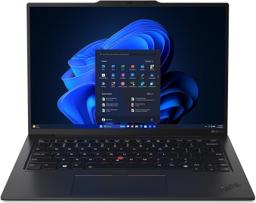
Recommended hardware for AI workflows
Lenovo ThinkPad X1 Carbon Gen 13
Business-grade, ultralight, and built for all-day professional use.
As an Amazon Associate, ProfessionPrompts earns from qualifying purchases.
Advanced Prompt Library
4 Expert PromptsInjury Risk Assessment and Prevention Strategy Development
Analyze the biomechanical and epidemiological data on anterior cruciate ligament (ACL) injuries in female soccer players, considering factors such as age, training volume, and playing surface, to develop a comprehensive injury risk assessment and prevention strategy that includes a detailed warm-up routine, strength and conditioning exercises, and nutritional advice. Provide a step-by-step guide on how to implement this strategy, including coaching tips and progress monitoring protocols.
Concussion Diagnosis and Management Protocol Optimization
Evaluate the current concussion diagnosis and management protocols used in our athletic training program, comparing them to the latest guidelines from the American Medical Society for Sports Medicine (AMSSM) and the National Athletic Trainers' Association (NATA), and identify areas for improvement. Develop a revised protocol that incorporates the use of mobile apps for symptom tracking, balance and cognitive function assessment tools, and standardized return-to-play progression criteria. Provide a flowchart illustrating the decision-making process and a list of recommended educational resources for athletes, coaches, and parents.
Athlete Monitoring and Performance Optimization using Wearable Technology
Design a study to investigate the effectiveness of using wearable GPS and heart rate monitoring devices to track athlete workload, fatigue, and physical performance in a collegiate basketball team. Develop a data collection and analysis plan, including the use of machine learning algorithms to identify patterns and trends in the data, and provide recommendations for how to use the insights gained to inform coaching decisions, adjust training programs, and prevent overtraining and injury. Include a sample data visualization dashboard and a list of potential limitations and future research directions.
Emergency Response Plan Development for Mass Participation Events
Create a comprehensive emergency response plan for a large-scale marathon event, considering factors such as crowd density, weather conditions, and medical resource availability. Develop a detailed protocol for responding to common medical emergencies such as heat exhaustion, cardiac arrest, and musculoskeletal injuries, including communication strategies for coordinating with event staff, medical personnel, and emergency services. Provide a sample incident command system organizational chart and a list of recommended equipment and supplies for the medical tent.
Alternative AI Workflows
Discover how different language models approach tasks for this specific profession.

ChatGPT Prompts for Athletic Trainers
Explore ChatGPT-optimized templates

Claude Prompts for Athletic Trainers
Explore Claude-optimized templates

Gemini Prompts for Athletic Trainers
Explore Gemini-optimized templates

Jasper Prompts for Athletic Trainers
Explore Jasper-optimized templates

Grok Prompts for Athletic Trainers
Explore Grok-optimized templates
Frequently Asked Questions
What are the best Perplexity prompts for Athletic Trainers?+
The athletic training profession is at a crossroads, with the rise of evidence-based practice and technological advancements presenting both opportunities and challenges for trainers to deliver high-quality patient care while navigating the complexities of injury prevention, diagnosis, and treatment. The industry's reliance on manual data collection, inadequate communication, and inefficient task management systems can hinder the ability to provide optimal care, making it essential for athletic trainers to leverage technology and innovative strategies to enhance their practice. This page provides 4 expert, copy-paste Perplexity prompts crafted specifically for Athletic Trainers, each with a clear use case and customization notes.
What tasks do these Perplexity prompts help Athletic Trainers with?+
They cover tasks such as Injury Risk Assessment and Prevention Strategy Development, Concussion Diagnosis and Management Protocol Optimization, Athlete Monitoring and Performance Optimization using Wearable Technology, Emergency Response Plan Development for Mass Participation Events.
What should Athletic Trainers keep in mind when using Perplexity?+
Veterans know to avoid depending on this system to generate generic treatment plans - instead, focus on using it to analyze specific patient data and develop personalized injury prevention and rehabilitation strategies.
How many Perplexity prompts are included, and are they free?+
There are 4 ready-to-use Perplexity prompts on this page. They are free to copy and use, and you can adapt each one to your specific situation.
Athletic Trainers
DashboardWorkflows
5