
Professional Context
Balancing the daily grind of procurement with the constant pressure to minimize lead times and maximize quality assurance, purchasing agents must navigate a complex web of supplier relationships, inventory management, and regulatory compliance, all while keeping a hawk's eye on error rates and time-to-completion metrics. Amidst this chaos, two competing priorities - securing the best possible prices and ensuring just-in-time delivery - threaten to derail even the most carefully laid plans, as agents scramble to reconcile the demands of cost-conscious stakeholders with the imperatives of supply chain resilience.
💡 Expert Advice & Considerations
A common trap is relying on this tool to negotiate with suppliers, it's a waste of time - focus on using it to analyze market trends and identify potential bottlenecks in your supply chain.
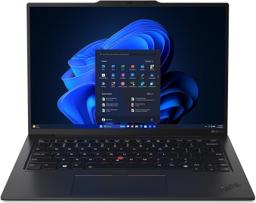
Recommended hardware for AI workflows
Lenovo ThinkPad X1 Carbon Gen 13
Business-grade, ultralight, and built for all-day professional use.
As an Amazon Associate, ProfessionPrompts earns from qualifying purchases.
Advanced Prompt Library
4 Expert PromptsSpend Category Analysis
Analyze the procurement data for the past quarter and identify the top 5 spend categories, including the total spend, number of transactions, and average price per unit. Then, categorize these spend categories by supplier, location, and product type, and provide a detailed breakdown of the top 3 suppliers for each category, including their performance metrics, such as on-time delivery rate, quality rating, and lead time. Finally, recommend opportunities for cost savings and process improvements based on the analysis, and provide a prioritized list of action items for implementation, including estimated cost savings and potential roadblocks.
Supplier Risk Assessment
Conduct a risk assessment of our top 10 suppliers, including an evaluation of their financial stability, operational capacity, and compliance with regulatory requirements. Analyze their past performance data, including on-time delivery rate, quality rating, and lead time, and identify potential risks and mitigation strategies. Then, assign a risk score to each supplier based on the assessment, and provide a prioritized list of recommendations for risk mitigation, including potential changes to contract terms, pricing, or payment schedules. Finally, identify opportunities for supplier diversification and development of backup suppliers, and provide a plan for implementation, including timelines and resource allocation.
Procurement Process Optimization
Map the current procurement process, including all steps, stakeholders, and decision points, and identify areas for improvement, such as bottlenecks, inefficiencies, and redundant tasks. Then, analyze the procurement data for the past year and identify trends, patterns, and correlations between process steps and outcomes, such as lead time, cost, and quality. Based on the analysis, recommend process improvements, including changes to workflows, roles, and responsibilities, and provide a detailed implementation plan, including timelines, resource allocation, and metrics for measuring success. Finally, estimate the potential cost savings and efficiency gains from the recommended changes and prioritize the implementation based on the expected impact.
Inventory Optimization Analysis
Analyze the current inventory levels, including the value, quantity, and location of all stock-keeping units (SKUs), and identify opportunities for optimization, such as overstocking, understocking, or obsolete inventory. Then, evaluate the demand forecasting process and recommend improvements, including changes to forecasting methods, data inputs, or frequency. Based on the analysis, provide a detailed plan for inventory reduction, including recommendations for inventory categorization, prioritization, and disposal, and estimate the potential cost savings and efficiency gains from the recommended changes. Finally, identify opportunities for implementing just-in-time (JIT) inventory management or vendor-managed inventory (VMI) programs and provide a plan for implementation, including timelines, resource allocation, and metrics for measuring success.
Alternative AI Workflows
Discover how different language models approach tasks for this specific profession.

ChatGPT Prompts for Purchasing Agents, Except Wholesale, Retail, and Farm Products
Explore ChatGPT-optimized templates

Claude Prompts for Purchasing Agents, Except Wholesale, Retail, and Farm Products
Explore Claude-optimized templates

Gemini Prompts for Purchasing Agents, Except Wholesale, Retail, and Farm Products
Explore Gemini-optimized templates

Perplexity Prompts for Purchasing Agents, Except Wholesale, Retail, and Farm Products
Explore Perplexity-optimized templates

Grok Prompts for Purchasing Agents, Except Wholesale, Retail, and Farm Products
Explore Grok-optimized templates
Frequently Asked Questions
What are the best Jasper prompts for Purchasing Agents, Except Wholesale, Retail, and Farm Products?+
Balancing the daily grind of procurement with the constant pressure to minimize lead times and maximize quality assurance, purchasing agents must navigate a complex web of supplier relationships, inventory management, and regulatory compliance, all while keeping a hawk's eye on error rates and time-to-completion metrics. Amidst this chaos, two competing priorities - securing the best possible prices and ensuring just-in-time delivery - threaten to derail even the most carefully laid plans, as agents scramble to reconcile the demands of cost-conscious stakeholders with the imperatives of supply chain resilience. This page provides 4 expert, copy-paste Jasper prompts crafted specifically for Purchasing Agents, Except Wholesale, Retail, and Farm Products, each with a clear use case and customization notes.
What tasks do these Jasper prompts help Purchasing Agents, Except Wholesale, Retail, and Farm Products with?+
They cover tasks such as Spend Category Analysis, Supplier Risk Assessment, Procurement Process Optimization, Inventory Optimization Analysis.
What should Purchasing Agents, Except Wholesale, Retail, and Farm Products keep in mind when using Jasper?+
A common trap is relying on this tool to negotiate with suppliers, it's a waste of time - focus on using it to analyze market trends and identify potential bottlenecks in your supply chain.
How many Jasper prompts are included, and are they free?+
There are 4 ready-to-use Jasper prompts on this page. They are free to copy and use, and you can adapt each one to your specific situation.
Purchasing Agents, Except Wholesale, Retail, and Farm Products
DashboardWorkflows
5