
Professional Context
The veterinary industry is plagued by data silos, with critical patient information often scattered across multiple software systems, making it difficult for technologists and technicians to access the information they need to provide high-quality care. This fragmentation can lead to delays, mistakes, and compromised patient outcomes, highlighting the need for more effective data integration and analysis.
💡 Expert Advice & Considerations
Veterans know to avoid depending on this system to replace your clinical judgment - instead, use it to augment your decision-making by providing real-time insights and trend analysis to support your expertise.
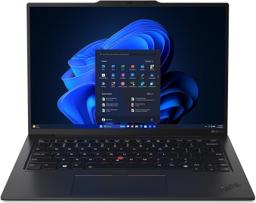
Recommended hardware for AI workflows
Lenovo ThinkPad X1 Carbon Gen 13
Business-grade, ultralight, and built for all-day professional use.
As an Amazon Associate, ProfessionPrompts earns from qualifying purchases.
Advanced Prompt Library
4 Expert PromptsAnesthetic Protocol Optimization
Given a dataset of 500 surgical procedures, including patient demographics, anesthetic protocols, and post-operative recovery times, identify the most critical factors influencing recovery times and develop a predictive model to optimize anesthetic protocols for future procedures. Consider variables such as patient age, weight, breed, and pre-existing medical conditions, as well as anesthetic agent, dosage, and administration route. Provide a ranked list of the top 5 factors contributing to prolonged recovery times and recommend adjustments to the current anesthetic protocol to minimize these risks.
Disease Outbreak Surveillance
Develop a real-time monitoring system to detect potential disease outbreaks in a population of 10,000 animals, using a combination of historical disease surveillance data, current weather patterns, and social media reports. Identify the top 3 disease agents most likely to cause an outbreak in the next 6 weeks and provide a geographic heatmap of high-risk areas, along with recommendations for targeted vaccination and quarantine protocols. Incorporate data from local veterinary clinics, animal shelters, and wildlife rehabilitation centers to enhance the accuracy of the predictive model.
Medical Imaging Quality Control
Evaluate the image quality of 200 radiographs taken using a specific digital radiography system, assessing factors such as image resolution, contrast, and artifact presence. Develop a classification system to categorize images as 'diagnostic-quality', 'suboptimal', or 'non-diagnostic', and provide a summary report detailing the frequencies of each category, along with recommendations for adjusting the imaging protocol to improve overall image quality. Consider variables such as patient positioning, beam angle, and image processing algorithms.
Pharmacokinetic Modeling for Drug Dosing
Given a dataset of 100 patients treated with a specific medication, including dosing regimens, serum concentration measurements, and clinical outcomes, develop a pharmacokinetic model to predict the optimal dosing schedule for a new patient with a unique set of characteristics, such as age, weight, and renal function. Provide a graphical representation of the predicted serum concentration-time profile and recommend adjustments to the dosing regimen to achieve the desired therapeutic range while minimizing the risk of adverse reactions.
Alternative AI Workflows
Discover how different language models approach tasks for this specific profession.

ChatGPT Prompts for Veterinary Technologists and Technicians
Explore ChatGPT-optimized templates

Claude Prompts for Veterinary Technologists and Technicians
Explore Claude-optimized templates

Gemini Prompts for Veterinary Technologists and Technicians
Explore Gemini-optimized templates

Perplexity Prompts for Veterinary Technologists and Technicians
Explore Perplexity-optimized templates

Jasper Prompts for Veterinary Technologists and Technicians
Explore Jasper-optimized templates
Frequently Asked Questions
What are the best Grok prompts for Veterinary Technologists and Technicians?+
The veterinary industry is plagued by data silos, with critical patient information often scattered across multiple software systems, making it difficult for technologists and technicians to access the information they need to provide high-quality care. This fragmentation can lead to delays, mistakes, and compromised patient outcomes, highlighting the need for more effective data integration and analysis. This page provides 4 expert, copy-paste Grok prompts crafted specifically for Veterinary Technologists and Technicians, each with a clear use case and customization notes.
What tasks do these Grok prompts help Veterinary Technologists and Technicians with?+
They cover tasks such as Anesthetic Protocol Optimization, Disease Outbreak Surveillance, Medical Imaging Quality Control, Pharmacokinetic Modeling for Drug Dosing.
What should Veterinary Technologists and Technicians keep in mind when using Grok?+
Veterans know to avoid depending on this system to replace your clinical judgment - instead, use it to augment your decision-making by providing real-time insights and trend analysis to support your expertise.
How many Grok prompts are included, and are they free?+
There are 4 ready-to-use Grok prompts on this page. They are free to copy and use, and you can adapt each one to your specific situation.
Veterinary Technologists and Technicians
DashboardWorkflows
5