
Professional Context
Firefighters rely on meticulous safety protocols and accurate incident reports to ensure crew safety and effective emergency response. Detailed shift handoffs, inspection checklists, and vendor coordination are crucial to preventing downtime and ensuring that all equipment is in working order, with every firefighter accounted for and aware of their PPE requirements.
💡 Expert Advice & Considerations
Instead of asking Grok to generate generic incident reports, use it to analyze actual site notes and create corrective action plans tailored to specific incidents, such as a malfunctioning pump on Engine 12 or a hazardous materials spill at a warehouse fire.
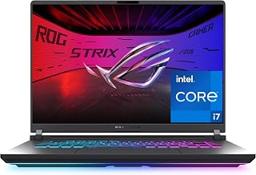
Recommended hardware for AI workflows
ASUS ROG Zephyrus G16
RTX 40-series power in a portable chassis for compute-heavy tasks.
As an Amazon Associate, ProfessionPrompts earns from qualifying purchases.
Advanced Prompt Library
4 Expert PromptsIncident Report Analysis
Analyze the incident report from the [DATE] fire at [LOCATION], focusing on the [SPECIFIC INCIDENT DETAILS, e.g., 'malfunctioning hose' or 'inadequate ventilation']. Identify key factors that contributed to the incident and generate a list of corrective actions, including [PASTE RELEVANT CODES OR REGULATIONS HERE, e.g., 'NFPA 1710' or 'OSHA 29 CFR 1910.156']. Use language from the incident report and incorporate relevant site notes, such as [SITE NOTE DETAILS, e.g., 'uneven terrain' or 'hazardous materials present']. Provide a prioritized list of recommendations for improving safety protocols, including [RECOMMENDATION DETAILS, e.g., 'additional training on pump operation' or 'modification of standard operating procedures'].
Pre-Shift Inspection Checklist
Generate a pre-shift inspection checklist for the [TRUCK NUMBER, e.g., 'Engine 12'] based on the [SHIFT TIME, e.g., 'morning' or 'evening'] shift schedule and the [SPECIFIC EQUIPMENT DETAILS, e.g., 'pump' or 'aerial ladder']. Include checks for [LIST SPECIFIC EQUIPMENT, e.g., 'PPE', 'communication devices', or 'hazardous materials equipment'] and ensure that all items are accounted for and in working order. Use the [CHECKLIST TEMPLATE NAME, e.g., 'NFPA 1911'] as a reference point and incorporate any relevant site notes or corrections from previous shifts, such as [SITE NOTE DETAILS, e.g., 'recently repaired pump' or 'newly installed communication system']. Provide a detailed list of tasks to complete before the shift begins, including [TASK DETAILS, e.g., 'conducting a communications check' or 'reviewing emergency procedures'].
Shift Handoff Note Optimization
Optimize the shift handoff note template to include [SPECIFIC DETAILS, e.g., 'crew assignments', 'equipment status', or 'ongoing incidents'] and ensure that all relevant information is accurately communicated between shifts. Analyze the [PREVIOUS SHIFT REPORT, e.g., 'yesterday's shift report'] and identify areas for improvement, such as [AREA FOR IMPROVEMENT, e.g., 'inadequate communication of equipment issues' or 'failure to report ongoing incidents']. Use Grok to suggest changes to the template and provide a revised version that incorporates [RELEVANT CODES OR REGULATIONS, e.g., 'NFPA 1710' or 'OSHA 29 CFR 1910.120']. Include space for [SPECIFIC INFORMATION, e.g., 'crew member signatures' or 'incident report numbers'] and ensure that the template is easy to use and understand, with clear instructions for [CLEAR INSTRUCTIONS, e.g., 'completing the handoff note' or 'reviewing the shift report'].
Vendor Coordination for Equipment Maintenance
Coordinate with the [VENDOR NAME, e.g., 'equipment supplier'] to schedule maintenance for the [EQUIPMENT TYPE, e.g., 'pump' or 'aerial ladder'] based on the [MAINTENANCE SCHEDULE, e.g., 'monthly' or 'quarterly'] schedule. Use Grok to analyze the [EQUIPMENT LOG, e.g., 'maintenance log' or 'repair history'] and identify any potential issues or downtime. Generate a work order that includes [SPECIFIC DETAILS, e.g., 'equipment serial number', 'maintenance required', or 'parts needed'] and ensure that all necessary [SPECIFIC INFORMATION, e.g., 'PPE', 'tools', or 'materials'] are available. Provide a detailed schedule for the maintenance, including [SCHEDULE DETAILS, e.g., 'date', 'time', or 'location'] and ensure that all stakeholders are notified, including [STAKEHOLDER DETAILS, e.g., 'crew members', 'supervisors', or 'vendors'].
Alternative AI Workflows
Discover how different language models approach tasks for this specific profession.

ChatGPT Prompts for Firefighters
Explore ChatGPT-optimized templates

Claude Prompts for Firefighters
Explore Claude-optimized templates

Gemini Prompts for Firefighters
Explore Gemini-optimized templates

Perplexity Prompts for Firefighters
Explore Perplexity-optimized templates

Jasper Prompts for Firefighters
Explore Jasper-optimized templates
Frequently Asked Questions
What are the best Grok prompts for Firefighters?+
Firefighters rely on meticulous safety protocols and accurate incident reports to ensure crew safety and effective emergency response. Detailed shift handoffs, inspection checklists, and vendor coordination are crucial to preventing downtime and ensuring that all equipment is in working order, with every firefighter accounted for and aware of their PPE requirements. This page provides 4 expert, copy-paste Grok prompts crafted specifically for Firefighters, each with a clear use case and customization notes.
What tasks do these Grok prompts help Firefighters with?+
They cover tasks such as Incident Report Analysis, Pre-Shift Inspection Checklist, Shift Handoff Note Optimization, Vendor Coordination for Equipment Maintenance.
What should Firefighters keep in mind when using Grok?+
Instead of asking Grok to generate generic incident reports, use it to analyze actual site notes and create corrective action plans tailored to specific incidents, such as a malfunctioning pump on Engine 12 or a hazardous materials spill at a warehouse fire.
How many Grok prompts are included, and are they free?+
There are 4 ready-to-use Grok prompts on this page. They are free to copy and use, and you can adapt each one to your specific situation.
Firefighters
DashboardWorkflows
5