
Professional Context
I still remember the frustrating moment when I had to spend hours poring over stacks of client data, trying to identify the subtle patterns that would indicate a plateau in their progress, only to realize that I had missed a critical trend that could have informed a timely intervention. It was then that I realized the need for more efficient and effective methods of analyzing client data, and that's where advanced analytics comes in.
💡 Expert Advice & Considerations
It is incredibly dangerous to trust the AI to replace your own expertise - instead, use it to augment your analysis and free up more time for high-touch, high-value work with your clients.
Recommended hardware for AI workflows
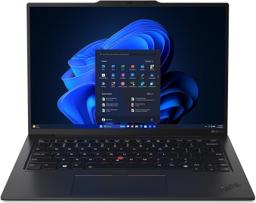
Lenovo ThinkPad X1 Carbon Gen 13
Business-grade, ultralight, and built for all-day professional use.
As an Amazon Associate, ProfessionPrompts earns from qualifying purchases.
Advanced Prompt Library
4 Expert PromptsClient Progress Trend Analysis
Analyze the exercise data for a client who has been training for 6 months, including workout frequency, duration, and intensity, as well as nutritional information and sleep patterns, to identify potential trends and correlations that may be contributing to a recent plateau in their progress. Consider factors such as changes in workout routine, nutritional deficiencies, and sleep disturbances, and provide recommendations for adjustments to their training program. Assume a dataset with 20 columns and 100 rows, including variables such as workout type, weight lifted, and resting heart rate. Use a combination of regression analysis and machine learning algorithms to identify the most significant predictors of progress.
Exercise Program Efficacy Evaluation
Design an experiment to evaluate the efficacy of a new exercise program for improving cardiovascular health in a population of sedentary adults. The program consists of 3 sessions per week, with each session including 30 minutes of aerobic exercise and 30 minutes of resistance training. Assume a sample size of 100 participants, with 50 in the treatment group and 50 in the control group. Use a combination of surveys, fitness assessments, and biomarker analysis to measure outcomes, and provide a detailed analysis of the results, including any statistically significant differences between the treatment and control groups. Consider factors such as participant adherence, program duration, and potential confounding variables.
Injury Risk Prediction Model
Develop a predictive model to identify clients who are at high risk of injury based on their exercise data, including variables such as workout frequency, intensity, and volume, as well as biometric data such as age, weight, and body mass index. Use a combination of machine learning algorithms and statistical analysis to identify the most significant predictors of injury risk, and provide a detailed report of the results, including any recommendations for mitigating injury risk. Assume a dataset with 15 columns and 500 rows, including variables such as workout type, weight lifted, and resting heart rate. Consider factors such as client history, current fitness level, and potential biomechanical limitations.
Personalized Nutrition Plan Optimization
Optimize a personalized nutrition plan for a client who is training for a marathon, taking into account their specific dietary needs, preferences, and restrictions. Assume a dataset with 10 columns and 50 rows, including variables such as macronutrient intake, hydration levels, and electrolyte balance. Use a combination of nutritional analysis and machine learning algorithms to identify the optimal nutrition plan, and provide a detailed report of the results, including any recommendations for adjustments to their diet. Consider factors such as client goals, current nutrition plan, and potential nutritional deficiencies.
Alternative AI Workflows
Discover how different language models approach tasks for this specific profession.

ChatGPT Prompts for Exercise Physiologists
Explore ChatGPT-optimized templates

Claude Prompts for Exercise Physiologists
Explore Claude-optimized templates

Gemini Prompts for Exercise Physiologists
Explore Gemini-optimized templates

Perplexity Prompts for Exercise Physiologists
Explore Perplexity-optimized templates

Jasper Prompts for Exercise Physiologists
Explore Jasper-optimized templates
Frequently Asked Questions
What are the best Grok prompts for Exercise Physiologists?+
I still remember the frustrating moment when I had to spend hours poring over stacks of client data, trying to identify the subtle patterns that would indicate a plateau in their progress, only to realize that I had missed a critical trend that could have informed a timely intervention. It was then that I realized the need for more efficient and effective methods of analyzing client data, and that's where advanced analytics comes in. This page provides 4 expert, copy-paste Grok prompts crafted specifically for Exercise Physiologists, each with a clear use case and customization notes.
What tasks do these Grok prompts help Exercise Physiologists with?+
They cover tasks such as Client Progress Trend Analysis, Exercise Program Efficacy Evaluation, Injury Risk Prediction Model, Personalized Nutrition Plan Optimization.
What should Exercise Physiologists keep in mind when using Grok?+
It is incredibly dangerous to trust the AI to replace your own expertise - instead, use it to augment your analysis and free up more time for high-touch, high-value work with your clients.
How many Grok prompts are included, and are they free?+
There are 4 ready-to-use Grok prompts on this page. They are free to copy and use, and you can adapt each one to your specific situation.
Exercise Physiologists
DashboardWorkflows
5