
Professional Context
The veterinary profession is plagued by an overwhelming amount of data from various sources, including electronic health records, laboratory results, and medical imaging, making it challenging for veterinarians to extract actionable insights and provide optimal care for their patients. Effective data interpretation and workflow management are crucial to improving patient outcomes and reducing errors.
💡 Expert Advice & Considerations
It is incredibly dangerous to trust the AI to replace your clinical judgment, but rather use it to augment your decision-making process by analyzing large datasets and identifying trends that may not be immediately apparent.
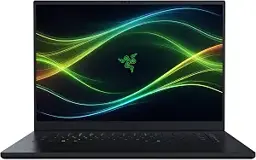
Recommended hardware for AI workflows
Razer Blade 16
High-end GPU laptop for rendering, machine learning, and creative pros.
As an Amazon Associate, ProfessionPrompts earns from qualifying purchases.
Advanced Prompt Library
4 Expert PromptsInterpretation of Laboratory Results
Given a dataset of complete blood count (CBC) results for a population of canine patients with a diagnosis of lymphoma, including variables such as white blood cell count, red blood cell count, and platelet count, analyze the data to identify any significant correlations between CBC parameters and patient outcomes, including survival time and response to treatment. Additionally, compare the results to a control group of healthy canine patients to determine if there are any notable differences in CBC parameters between the two groups. Finally, generate a report that includes visualizations of the data, such as scatter plots and histograms, and provide recommendations for how the results can be used to inform treatment decisions for canine lymphoma patients.
Medical Imaging Analysis
Using a dataset of radiographic images of feline patients with a diagnosis of chronic kidney disease, including images of the kidneys, ureters, and bladder, analyze the images to identify any significant changes in renal size, shape, or opacity that are associated with disease progression or treatment response. Additionally, compare the results to a control group of healthy feline patients to determine if there are any notable differences in imaging findings between the two groups. Finally, generate a report that includes visualizations of the data, such as heat maps and bar charts, and provide recommendations for how the results can be used to inform treatment decisions for feline chronic kidney disease patients.
Pharmacokinetic Analysis
Given a dataset of pharmacokinetic parameters, including clearance, volume of distribution, and half-life, for a novel anti-cancer medication in canine patients, analyze the data to determine the optimal dosing regimen for the medication, including the dose, frequency, and duration of treatment. Additionally, compare the results to a control group of patients receiving a standard treatment regimen to determine if the novel medication is associated with improved patient outcomes, including response rate and survival time. Finally, generate a report that includes visualizations of the data, such as concentration-time profiles and dose-response curves, and provide recommendations for how the results can be used to inform treatment decisions for canine cancer patients.
Clinical Trial Design
Design a clinical trial to evaluate the efficacy and safety of a novel vaccine for the prevention of infectious disease in equine patients, including the development of a study protocol, sample size calculation, and statistical analysis plan. Additionally, identify any potential biases or confounding variables that could impact the results of the study and provide recommendations for how to mitigate these biases. Finally, generate a report that includes a detailed description of the study design, including the inclusion and exclusion criteria, treatment regimen, and outcome measures, and provide recommendations for how the results can be used to inform treatment decisions for equine patients.
Alternative AI Workflows
Discover how different language models approach tasks for this specific profession.

ChatGPT Prompts for Veterinarians
Explore ChatGPT-optimized templates

Claude Prompts for Veterinarians
Explore Claude-optimized templates

Perplexity Prompts for Veterinarians
Explore Perplexity-optimized templates

Jasper Prompts for Veterinarians
Explore Jasper-optimized templates

Grok Prompts for Veterinarians
Explore Grok-optimized templates
Frequently Asked Questions
What are the best Gemini prompts for Veterinarians?+
The veterinary profession is plagued by an overwhelming amount of data from various sources, including electronic health records, laboratory results, and medical imaging, making it challenging for veterinarians to extract actionable insights and provide optimal care for their patients. Effective data interpretation and workflow management are crucial to improving patient outcomes and reducing errors. This page provides 4 expert, copy-paste Gemini prompts crafted specifically for Veterinarians, each with a clear use case and customization notes.
What tasks do these Gemini prompts help Veterinarians with?+
They cover tasks such as Interpretation of Laboratory Results, Medical Imaging Analysis, Pharmacokinetic Analysis, Clinical Trial Design.
What should Veterinarians keep in mind when using Gemini?+
It is incredibly dangerous to trust the AI to replace your clinical judgment, but rather use it to augment your decision-making process by analyzing large datasets and identifying trends that may not be immediately apparent.
How many Gemini prompts are included, and are they free?+
There are 4 ready-to-use Gemini prompts on this page. They are free to copy and use, and you can adapt each one to your specific situation.
Veterinarians
DashboardWorkflows
5