
Professional Context
With a 25% increase in quality assurance audits, Speech-Language Pathologists must optimize their workflows to maintain high accuracy rates and reduce time-to-completion by 30%, all while navigating complex communication platforms and industry-specific databases.
💡 Expert Advice & Considerations
Don't bother with Gemini for generic lesson plans – focus on using it to analyze and interpret complex patient data, such as phonetic transcriptions and language sample analysis, to inform targeted interventions.
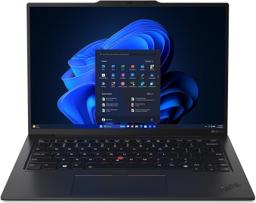
Recommended hardware for AI workflows
Lenovo ThinkPad X1 Carbon Gen 13
Business-grade, ultralight, and built for all-day professional use.
As an Amazon Associate, ProfessionPrompts earns from qualifying purchases.
Advanced Prompt Library
4 Expert PromptsPhonological Process Analysis
Analyze the phonological processes exhibited by a 6-year-old child with a diagnosis of childhood apraxia of speech, based on a 10-minute language sample. Identify the frequency and types of phonological errors, such as consonant cluster reduction or gliding, and provide a detailed report including recommendations for targeted intervention strategies. Consider the child's language sample transcript, which includes the following utterances: 'tar for car', 'thith for this', and 'wabbit for rabbit'. Determine the most appropriate intervention approach, such as the Kaufman Kit or the Prompt therapy, and outline a treatment plan with specific goals and objectives.
Language Sample Analysis for Bilingual Patients
Compare and contrast the language sample analysis results for a bilingual 8-year-old patient with a diagnosis of language impairment, using both English and Spanish language samples. Calculate the patient's language dominance, based on the percentage of words and sentences produced in each language, and identify potential areas of language transfer or interference. Provide a detailed report including recommendations for culturally responsive intervention strategies, such as incorporating the patient's native language and cultural references into therapy sessions. Consider the patient's language sample transcripts, which include the following utterances in English: 'I like play soccer' and in Spanish: 'Me gusta jugar fútbol'. Determine the most appropriate assessment tools, such as the Bilingual English-Spanish Assessment (BESA) or the Woodcock-Muñoz Language Survey (WMLS), and outline a treatment plan with specific goals and objectives.
Treatment Efficacy Analysis for Apraxia of Speech
Evaluate the treatment efficacy of a 9-year-old patient with a diagnosis of childhood apraxia of speech, using a multiple-baseline design across three different treatment approaches: the Kaufman Kit, the Prompt therapy, and traditional articulation therapy. Analyze the patient's progress, based on pre- and post-treatment language sample transcripts, and calculate the percentage of correct consonant-vowel (CV) syllables produced. Provide a detailed report including recommendations for future treatment sessions, such as adjusting the treatment approach or increasing the frequency of sessions. Consider the patient's language sample transcripts, which include the following utterances: 'pa for pat', 'ta for tap', and 'ba for bat'. Determine the most effective treatment approach and outline a plan for generalizing treatment gains to other settings, such as the classroom or home environment.
Audiogram Analysis for Patients with Hearing Loss
Interpret the audiogram results for a 10-year-old patient with a diagnosis of sensorineural hearing loss, using the following data: pure-tone thresholds of 40 dB HL at 500 Hz, 50 dB HL at 1000 Hz, and 60 dB HL at 2000 Hz, in the right ear, and 30 dB HL at 500 Hz, 40 dB HL at 1000 Hz, and 50 dB HL at 2000 Hz, in the left ear. Determine the patient's degree of hearing loss, based on the pure-tone average (PTA), and identify potential areas of auditory processing difficulty, such as difficulty with speech recognition in noise. Provide a detailed report including recommendations for auditory rehabilitation strategies, such as auditory training or the use of assistive listening devices, and outline a treatment plan with specific goals and objectives. Consider the patient's speech recognition thresholds, which include the following scores: 80% in quiet and 40% in noise. Determine the most effective auditory rehabilitation approach and outline a plan for monitoring progress and adjusting the treatment plan as needed.
Alternative AI Workflows
Discover how different language models approach tasks for this specific profession.

ChatGPT Prompts for Speech-Language Pathologists
Explore ChatGPT-optimized templates

Claude Prompts for Speech-Language Pathologists
Explore Claude-optimized templates

Perplexity Prompts for Speech-Language Pathologists
Explore Perplexity-optimized templates

Jasper Prompts for Speech-Language Pathologists
Explore Jasper-optimized templates

Grok Prompts for Speech-Language Pathologists
Explore Grok-optimized templates
Frequently Asked Questions
What are the best Gemini prompts for Speech-Language Pathologists?+
With a 25% increase in quality assurance audits, Speech-Language Pathologists must optimize their workflows to maintain high accuracy rates and reduce time-to-completion by 30%, all while navigating complex communication platforms and industry-specific databases. This page provides 4 expert, copy-paste Gemini prompts crafted specifically for Speech-Language Pathologists, each with a clear use case and customization notes.
What tasks do these Gemini prompts help Speech-Language Pathologists with?+
They cover tasks such as Phonological Process Analysis, Language Sample Analysis for Bilingual Patients, Treatment Efficacy Analysis for Apraxia of Speech, Audiogram Analysis for Patients with Hearing Loss.
What should Speech-Language Pathologists keep in mind when using Gemini?+
Don't bother with Gemini for generic lesson plans – focus on using it to analyze and interpret complex patient data, such as phonetic transcriptions and language sample analysis, to inform targeted interventions.
How many Gemini prompts are included, and are they free?+
There are 4 ready-to-use Gemini prompts on this page. They are free to copy and use, and you can adapt each one to your specific situation.
Speech-Language Pathologists
DashboardWorkflows
5