
Professional Context
The interpretation of medical images is a high-stakes task that requires radiologists to balance speed and accuracy, with even minor errors potentially having significant consequences for patient care. Despite advancements in technology, the demand for skilled radiologists continues to outstrip supply, resulting in increased workload and pressure to perform. To mitigate these risks, radiologists must develop strategies to optimize their workflow, improve their diagnostic accuracy, and stay up-to-date with the latest developments in medical imaging.
💡 Expert Advice & Considerations
One of the worst things you can do is lean on this tool to replace your clinical judgment, but rather use it to augment your decision-making and free up time for more complex and high-value tasks.
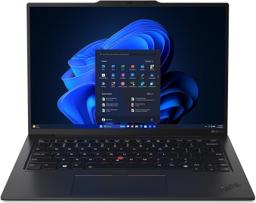
Recommended hardware for AI workflows
Lenovo ThinkPad X1 Carbon Gen 13
Business-grade, ultralight, and built for all-day professional use.
As an Amazon Associate, ProfessionPrompts earns from qualifying purchases.
Advanced Prompt Library
4 Expert PromptsDifferential Diagnosis Generation
Given a 45-year-old male patient with a history of smoking, presenting with a 2 cm lung mass on chest CT, generate a list of potential differential diagnoses, including the likelihood of each diagnosis based on the patient's symptoms, medical history, and imaging findings. Consider the following imaging features: spiculated margins, heterogeneous attenuation, and presence of lymphadenopathy. Provide a detailed analysis of the patient's risk factors, including smoking history, family history of cancer, and occupational exposures. Also, discuss the potential implications of each diagnosis on patient management and treatment outcomes.
Quality Assurance Report
Analyze the following quality metrics for our radiology department over the past quarter: report turnaround time, examination volume, and error rate. Compare these metrics to national benchmarks and identify areas for improvement. Provide recommendations for reducing report turnaround time, increasing examination volume, and minimizing errors, including suggestions for workflow optimization, staff training, and technology upgrades. Also, discuss the potential impact of these improvements on patient outcomes and departmental efficiency.
Imaging Protocol Optimization
Develop an optimized imaging protocol for a patient with suspected acute appendicitis, including the following parameters: CT or MRI, slice thickness, reconstruction algorithm, and contrast administration. Consider the patient's age, sex, and medical history, as well as the potential benefits and risks of each imaging modality. Provide a detailed justification for your protocol, including the evidence-based rationale for each parameter and the potential implications for image quality, radiation dose, and diagnostic accuracy.
Research Study Design
Design a retrospective study to investigate the diagnostic accuracy of a new AI-powered computer-aided detection (CAD) system for lung nodules on chest CT. Describe the study population, inclusion and exclusion criteria, and outcome measures, including the reference standard for diagnosis. Provide a detailed analysis of the potential biases and limitations of the study, including selection bias, information bias, and confounding variables. Also, discuss the potential implications of the study findings on clinical practice and the future development of CAD systems in radiology.
Alternative AI Workflows
Discover how different language models approach tasks for this specific profession.

ChatGPT Prompts for Radiologists
Explore ChatGPT-optimized templates

Gemini Prompts for Radiologists
Explore Gemini-optimized templates

Perplexity Prompts for Radiologists
Explore Perplexity-optimized templates

Jasper Prompts for Radiologists
Explore Jasper-optimized templates

Grok Prompts for Radiologists
Explore Grok-optimized templates
Frequently Asked Questions
What are the best Claude prompts for Radiologists?+
The interpretation of medical images is a high-stakes task that requires radiologists to balance speed and accuracy, with even minor errors potentially having significant consequences for patient care. Despite advancements in technology, the demand for skilled radiologists continues to outstrip supply, resulting in increased workload and pressure to perform. To mitigate these risks, radiologists must develop strategies to optimize their workflow, improve their diagnostic accuracy, and stay up-to-date with the latest developments in medical imaging. This page provides 4 expert, copy-paste Claude prompts crafted specifically for Radiologists, each with a clear use case and customization notes.
What tasks do these Claude prompts help Radiologists with?+
They cover tasks such as Differential Diagnosis Generation, Quality Assurance Report, Imaging Protocol Optimization, Research Study Design.
What should Radiologists keep in mind when using Claude?+
One of the worst things you can do is lean on this tool to replace your clinical judgment, but rather use it to augment your decision-making and free up time for more complex and high-value tasks.
How many Claude prompts are included, and are they free?+
There are 4 ready-to-use Claude prompts on this page. They are free to copy and use, and you can adapt each one to your specific situation.
Radiologists
DashboardWorkflows
5