
Professional Context
Between ensuring compliance with stringent HIPAA regulations and meeting the ever-increasing demand for rapid patient test results, Medical and Clinical Laboratory Technicians face a daily tug-of-war between quality and efficiency. As they navigate the complexities of EHR systems and patient portals, technicians must balance the need for meticulous attention to detail with the pressure to minimize wait times and optimize workflows.
💡 Expert Advice & Considerations
Rookies often make the mistake of using the AI to generate generic lab reports; instead, focus on using it to analyze complex datasets and identify trends that can inform process improvements and enhance patient outcomes.
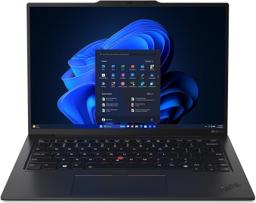
Recommended hardware for AI workflows
Lenovo ThinkPad X1 Carbon Gen 13
Business-grade, ultralight, and built for all-day professional use.
As an Amazon Associate, ProfessionPrompts earns from qualifying purchases.
Advanced Prompt Library
4 Expert PromptsHemoglobin A1c Test Result Analysis
Analyze the Hemoglobin A1c test results for a cohort of 100 patients with diagnosed diabetes, taking into account variables such as age, sex, and comorbidities. Identify any correlations between HbA1c levels and patient outcomes, including readmission rates and medication adherence. Provide a detailed breakdown of the statistical methods used and recommend potential adjustments to treatment protocols based on the findings. Assume a significance level of 0.05 and account for any potential confounding factors.
Lab Workflow Optimization
Given a lab workflow that includes the following steps: sample receipt, centrifugation, aliquoting, and testing, identify potential bottlenecks and areas for improvement using a combination of process mapping and statistical analysis. Assume a daily sample volume of 500 and a staff of 10 technicians. Provide recommendations for streamlining the workflow, including adjustments to staffing, equipment utilization, and test prioritization. Consider the impact of any proposed changes on patient wait times, test turnaround times, and overall lab efficiency.
Incident Report Analysis for Quality Improvement
Review a series of incident reports detailing errors in lab test results, including incorrect patient identification, sample contamination, and equipment malfunction. Analyze the root causes of these errors and identify any common themes or contributing factors. Develop a corrective action plan to address the underlying issues, including recommendations for additional training, process revisions, and quality control measures. Assume a goal of reducing reportable errors by 20% within the next 6 months.
Compliance Audit Preparation
Generate a comprehensive checklist for preparing for a compliance audit, including review of patient records, equipment maintenance logs, and staff training documentation. Identify key areas of focus for the audit, such as HIPAA compliance, CLIA regulations, and OSHA standards. Develop a plan for addressing any potential deficiencies or areas of non-compliance, including corrective actions and process improvements. Assume a 2-week timeline for preparation and a goal of achieving 100% compliance with all relevant regulations.
Alternative AI Workflows
Discover how different language models approach tasks for this specific profession.

ChatGPT Prompts for Medical and Clinical Laboratory Technicians
Explore ChatGPT-optimized templates

Gemini Prompts for Medical and Clinical Laboratory Technicians
Explore Gemini-optimized templates

Perplexity Prompts for Medical and Clinical Laboratory Technicians
Explore Perplexity-optimized templates

Jasper Prompts for Medical and Clinical Laboratory Technicians
Explore Jasper-optimized templates

Grok Prompts for Medical and Clinical Laboratory Technicians
Explore Grok-optimized templates
Frequently Asked Questions
What are the best Claude prompts for Medical and Clinical Laboratory Technicians?+
Between ensuring compliance with stringent HIPAA regulations and meeting the ever-increasing demand for rapid patient test results, Medical and Clinical Laboratory Technicians face a daily tug-of-war between quality and efficiency. As they navigate the complexities of EHR systems and patient portals, technicians must balance the need for meticulous attention to detail with the pressure to minimize wait times and optimize workflows. This page provides 4 expert, copy-paste Claude prompts crafted specifically for Medical and Clinical Laboratory Technicians, each with a clear use case and customization notes.
What tasks do these Claude prompts help Medical and Clinical Laboratory Technicians with?+
They cover tasks such as Hemoglobin A1c Test Result Analysis, Lab Workflow Optimization, Incident Report Analysis for Quality Improvement, Compliance Audit Preparation.
What should Medical and Clinical Laboratory Technicians keep in mind when using Claude?+
Rookies often make the mistake of using the AI to generate generic lab reports; instead, focus on using it to analyze complex datasets and identify trends that can inform process improvements and enhance patient outcomes.
How many Claude prompts are included, and are they free?+
There are 4 ready-to-use Claude prompts on this page. They are free to copy and use, and you can adapt each one to your specific situation.
Medical and Clinical Laboratory Technicians
DashboardWorkflows
5