
Professional Context
I still remember the frustrating moment when I had to pour over a patient's medical history, trying to pinpoint the exact cause of their persistent skin lesions. The countless hours spent analyzing test results, researching potential treatments, and consulting with colleagues could have been streamlined if I had access to a reliable tool that could help me synthesize the complex information. It was then that I realized the importance of having a trusted assistant that could aid me in making informed decisions, freeing up more time to focus on what matters most - providing exceptional patient care.
💡 Expert Advice & Considerations
Veterans know to avoid depending on this system to diagnose skin conditions, but rather to help with the tedious tasks such as data analysis, research, and paperwork, so you can focus on the art of dermatology.
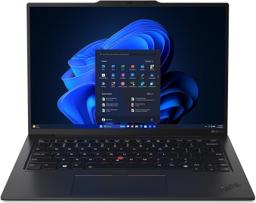
Recommended hardware for AI workflows
Lenovo ThinkPad X1 Carbon Gen 13
Business-grade, ultralight, and built for all-day professional use.
As an Amazon Associate, ProfessionPrompts earns from qualifying purchases.
Advanced Prompt Library
4 Expert PromptsDifferential Diagnosis Generator
Given a patient with a skin lesion presenting with symptoms of erythema, scaling, and pruritus, and a medical history that includes diabetes, hypertension, and a family history of skin cancer, generate a list of potential differential diagnoses, including but not limited to psoriasis, eczema, and cutaneous lymphoma. Consider the patient's age, sex, and occupation as a farmer, and provide a detailed analysis of the potential causes and risk factors associated with each diagnosis. Please include a review of relevant literature and research studies to support the generated list.
Treatment Protocol Optimizer
Develop a personalized treatment plan for a patient with moderate to severe acne, considering their medical history of allergic reactions to topical retinoids and a current medication regimen that includes oral antibiotics and hormonal birth control. Take into account the patient's skin type, lifestyle, and preferences, and provide a step-by-step guide on how to adjust the treatment plan based on the patient's response to therapy. Please include a review of relevant clinical guidelines and research studies to support the recommended treatment protocol.
Clinical Trial Data Analyzer
Analyze the results of a recent clinical trial evaluating the efficacy and safety of a new topical cream for the treatment of atopic dermatitis. The trial included 100 patients randomized to either the treatment or placebo group, and the primary outcome measure was the percentage change in Eczema Area and Severity Index (EASI) score from baseline to week 12. Provide a detailed summary of the trial's methodology, results, and conclusions, and discuss the potential implications of the findings for clinical practice. Please include a review of the trial's limitations and potential biases, as well as suggestions for future research studies.
Patient Education Materials Generator
Create a comprehensive patient education brochure on the topic of skin cancer prevention and early detection, including information on risk factors, warning signs, and screening recommendations. Tailor the brochure to a specific patient population, such as older adults or individuals with a family history of skin cancer, and provide tips on how to perform self-examinations and what to expect during a clinical examination. Please include a review of relevant health literacy principles and research studies to support the development of the brochure.
Alternative AI Workflows
Discover how different language models approach tasks for this specific profession.

ChatGPT Prompts for Dermatologists
Explore ChatGPT-optimized templates

Gemini Prompts for Dermatologists
Explore Gemini-optimized templates

Perplexity Prompts for Dermatologists
Explore Perplexity-optimized templates

Jasper Prompts for Dermatologists
Explore Jasper-optimized templates

Grok Prompts for Dermatologists
Explore Grok-optimized templates
Frequently Asked Questions
What are the best Claude prompts for Dermatologists?+
I still remember the frustrating moment when I had to pour over a patient's medical history, trying to pinpoint the exact cause of their persistent skin lesions. The countless hours spent analyzing test results, researching potential treatments, and consulting with colleagues could have been streamlined if I had access to a reliable tool that could help me synthesize the complex information. It was then that I realized the importance of having a trusted assistant that could aid me in making informed decisions, freeing up more time to focus on what matters most - providing exceptional patient care. This page provides 4 expert, copy-paste Claude prompts crafted specifically for Dermatologists, each with a clear use case and customization notes.
What tasks do these Claude prompts help Dermatologists with?+
They cover tasks such as Differential Diagnosis Generator, Treatment Protocol Optimizer, Clinical Trial Data Analyzer, Patient Education Materials Generator.
What should Dermatologists keep in mind when using Claude?+
Veterans know to avoid depending on this system to diagnose skin conditions, but rather to help with the tedious tasks such as data analysis, research, and paperwork, so you can focus on the art of dermatology.
How many Claude prompts are included, and are they free?+
There are 4 ready-to-use Claude prompts on this page. They are free to copy and use, and you can adapt each one to your specific situation.
Dermatologists
DashboardWorkflows
5