
Professional Context
Nuclear medicine technology is a high-stakes field where minor errors can have significant consequences, and the industry's growing reliance on complex software and equipment has created a pressing need for technologists to optimize their workflows and minimize mistakes. Quality assurance and attention to detail are paramount, as a single misstep can compromise patient safety and diagnostic accuracy. The sheer volume of data and imaging protocols that technologists must navigate on a daily basis has made it essential to develop efficient strategies for managing information and prioritizing tasks. Despite these challenges, many nuclear medicine technologists continue to rely on manual processes and outdated tools, which can hinder their ability to provide high-quality care and stay up-to-date with the latest developments in the field.
💡 Expert Advice & Considerations
One of the worst things you can do is lean on this tool to generate entire radiopharmacy protocols from scratch - instead, focus on using it to validate and refine specific components of your existing protocols, such as dosing calculations or imaging sequences.
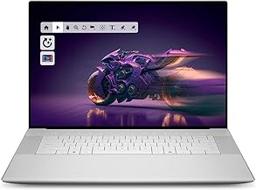
Recommended hardware for AI workflows
Dell XPS 16
16-inch OLED with discrete RTX graphics for GPU-accelerated work.
As an Amazon Associate, ProfessionPrompts earns from qualifying purchases.
Advanced Prompt Library
4 Expert PromptsDose Calibration Verification Protocol
Generate a step-by-step protocol for verifying the dose calibration of a new PET/CT scanner, including the specific quality control tests that should be performed, the acceptable limits for each test, and the procedures for troubleshooting and correcting any deviations from the expected results. Assume that the scanner is equipped with a built-in dose calibrator and that the technologist has access to a range of radioactive sources and phantoms. Provide detailed instructions for each step of the protocol, including any necessary calculations or measurements, and specify the criteria for accepting or rejecting the scanner's dose calibration.
Radiopharmaceutical Inventory Management
Develop a comprehensive plan for managing the inventory of radiopharmaceuticals in a busy nuclear medicine department, including strategies for tracking expiration dates, monitoring inventory levels, and optimizing storage and handling procedures to minimize waste and ensure compliance with regulatory requirements. Assume that the department uses a combination of commercial and in-house prepared radiopharmaceuticals, and that the technologist has access to a computerized inventory management system and a range of storage and handling equipment. Provide detailed instructions for each step of the plan, including any necessary calculations or measurements, and specify the criteria for evaluating the effectiveness of the plan.
Patient-Specific Dosimetry Calculation
Calculate the patient-specific dosimetry for a 65-year-old male patient undergoing a diagnostic scan with 99mTc-MDP, assuming a administered activity of 20 mCi and a biodistribution profile characterized by a 50% uptake in the bone marrow, 20% uptake in the liver, and 10% uptake in the kidneys. Use the MIRD schema to estimate the absorbed dose to each of these tissues, and provide a detailed breakdown of the calculations, including any necessary assumptions or corrections. Specify the criteria for evaluating the accuracy of the calculations and provide recommendations for any additional measurements or simulations that may be necessary to validate the results.
PET/CT Scanner Quality Control Checklist
Generate a comprehensive quality control checklist for a PET/CT scanner, including tests for spatial resolution, sensitivity, and image uniformity, as well as procedures for evaluating the performance of the scanner's detector blocks, gantry, and data acquisition system. Assume that the scanner is equipped with a range of quality control tools and phantoms, and that the technologist has access to the manufacturer's technical specifications and guidelines. Provide detailed instructions for each test, including any necessary calculations or measurements, and specify the criteria for accepting or rejecting the scanner's performance. Include recommendations for troubleshooting and correcting any deviations from the expected results, and provide a schedule for performing each test and evaluating the results.
Alternative AI Workflows
Discover how different language models approach tasks for this specific profession.

Claude Prompts for Nuclear Medicine Technologists
Explore Claude-optimized templates

Gemini Prompts for Nuclear Medicine Technologists
Explore Gemini-optimized templates

Perplexity Prompts for Nuclear Medicine Technologists
Explore Perplexity-optimized templates

Jasper Prompts for Nuclear Medicine Technologists
Explore Jasper-optimized templates

Grok Prompts for Nuclear Medicine Technologists
Explore Grok-optimized templates
Frequently Asked Questions
What are the best ChatGPT prompts for Nuclear Medicine Technologists?+
Nuclear medicine technology is a high-stakes field where minor errors can have significant consequences, and the industry's growing reliance on complex software and equipment has created a pressing need for technologists to optimize their workflows and minimize mistakes. Quality assurance and attention to detail are paramount, as a single misstep can compromise patient safety and diagnostic accuracy. The sheer volume of data and imaging protocols that technologists must navigate on a daily basis has made it essential to develop efficient strategies for managing information and prioritizing tasks. Despite these challenges, many nuclear medicine technologists continue to rely on manual processes and outdated tools, which can hinder their ability to provide high-quality care and stay up-to-date with the latest developments in the field. This page provides 4 expert, copy-paste ChatGPT prompts crafted specifically for Nuclear Medicine Technologists, each with a clear use case and customization notes.
What tasks do these ChatGPT prompts help Nuclear Medicine Technologists with?+
They cover tasks such as Dose Calibration Verification Protocol, Radiopharmaceutical Inventory Management, Patient-Specific Dosimetry Calculation, PET/CT Scanner Quality Control Checklist.
What should Nuclear Medicine Technologists keep in mind when using ChatGPT?+
One of the worst things you can do is lean on this tool to generate entire radiopharmacy protocols from scratch - instead, focus on using it to validate and refine specific components of your existing protocols, such as dosing calculations or imaging sequences.
How many ChatGPT prompts are included, and are they free?+
There are 4 ready-to-use ChatGPT prompts on this page. They are free to copy and use, and you can adapt each one to your specific situation.
Nuclear Medicine Technologists
DashboardWorkflows
5