
Professional Context
Microbiological research is hindered by the sheer volume of data generated from high-throughput sequencing technologies, making it challenging for researchers to identify meaningful patterns and relationships. The ability to efficiently analyze and interpret this data is crucial for advancing our understanding of microbial communities and their impact on human health and the environment.
💡 Expert Advice & Considerations
It is incredibly dangerous to trust the AI to generate entire research papers, focus on using it to augment specific tasks such as data analysis, hypothesis generation, and literature review to increase productivity and accuracy.
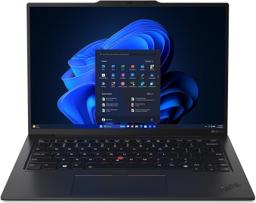
Recommended hardware for AI workflows
Lenovo ThinkPad X1 Carbon Gen 13
Business-grade, ultralight, and built for all-day professional use.
As an Amazon Associate, ProfessionPrompts earns from qualifying purchases.
Advanced Prompt Library
4 Expert PromptsGenome Assembly and Annotation
Given a set of Illumina-generated FASTQ files from a novel microbial isolate, assemble the genome using the SPAdes assembler, then annotate the predicted genes using the Prokka pipeline, and finally, identify any potential antibiotic resistance genes using the CARD database. Provide a detailed report of the assembly and annotation metrics, including contig N50, genome coverage, and predicted gene function.
Microbial Community Composition Analysis
Using the 16S rRNA gene sequencing data from a recent soil microbiome study, analyze the community composition using the QIIME2 pipeline, including alpha and beta diversity metrics, and compare the results to a reference dataset from a similar environment. Identify any significant differences in community structure and predict potential functional implications using the PICRUSt2 algorithm.
Predictive Modeling of Microbial Growth
Develop a predictive model of microbial growth using a dataset of temperature, pH, and nutrient availability, and their effects on the growth rate of a specific microorganism. Use a machine learning approach, such as random forest or neural networks, to identify the most important factors influencing growth and predict growth curves under various environmental conditions. Provide a detailed evaluation of the model's performance and limitations.
Literature Review and Hypothesis Generation
Conduct a comprehensive literature review of the current understanding of the microbial mechanisms underlying a specific disease, such as inflammatory bowel disease. Analyze the key findings, methodologies, and limitations of the existing research, and generate a set of testable hypotheses regarding the role of the microbiome in disease progression and potential therapeutic targets. Provide a detailed summary of the literature review and prioritize the generated hypotheses based on their potential impact and feasibility.
Alternative AI Workflows
Discover how different language models approach tasks for this specific profession.

Claude Prompts for Microbiologists
Explore Claude-optimized templates

Gemini Prompts for Microbiologists
Explore Gemini-optimized templates

Perplexity Prompts for Microbiologists
Explore Perplexity-optimized templates

Jasper Prompts for Microbiologists
Explore Jasper-optimized templates

Grok Prompts for Microbiologists
Explore Grok-optimized templates
Frequently Asked Questions
What are the best ChatGPT prompts for Microbiologists?+
Microbiological research is hindered by the sheer volume of data generated from high-throughput sequencing technologies, making it challenging for researchers to identify meaningful patterns and relationships. The ability to efficiently analyze and interpret this data is crucial for advancing our understanding of microbial communities and their impact on human health and the environment. This page provides 4 expert, copy-paste ChatGPT prompts crafted specifically for Microbiologists, each with a clear use case and customization notes.
What tasks do these ChatGPT prompts help Microbiologists with?+
They cover tasks such as Genome Assembly and Annotation, Microbial Community Composition Analysis, Predictive Modeling of Microbial Growth, Literature Review and Hypothesis Generation.
What should Microbiologists keep in mind when using ChatGPT?+
It is incredibly dangerous to trust the AI to generate entire research papers, focus on using it to augment specific tasks such as data analysis, hypothesis generation, and literature review to increase productivity and accuracy.
How many ChatGPT prompts are included, and are they free?+
There are 4 ready-to-use ChatGPT prompts on this page. They are free to copy and use, and you can adapt each one to your specific situation.
Microbiologists
DashboardWorkflows
5